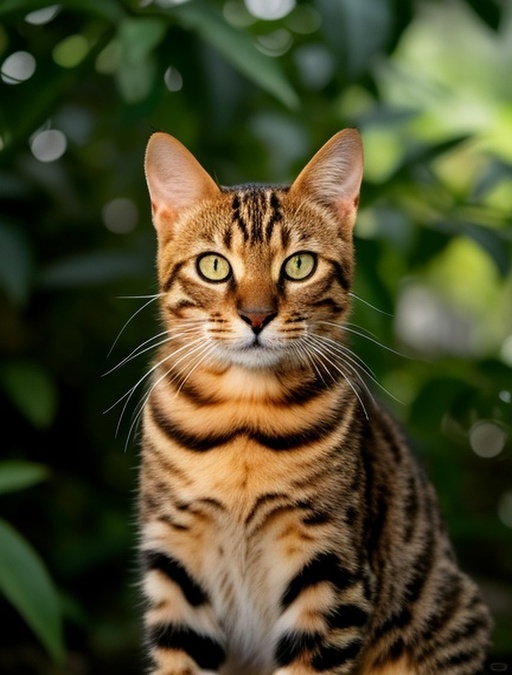
First things first, let's talk about the big question: are Bengal cats even legal where you live? This might surprise you, but in some places, they're not! The reason is that Bengals are a hybrid breed. They were originally created by crossing domestic cats with the Asian leopard cat (a small wild cat). Because of this wild ancestry, some cities, states, and even whole countries have restrictions. For example, in New York City, you can own a Bengal as long as it's at least five generations removed from the wild ancestor (that's called an F5 or later). In Hawaii and Australia, the rules are much stricter, and they might be completely banned. Your very first step should be to check your local city ordinances and state laws. A quick call to your local animal control office or a search on your city's government website can save you a huge headache later. Don't just rely on what a breeder tells you – do your own homework!
Okay, let's say Bengal cats are allowed in your area. Great! Now, the rules aren't just about legality; they're about providing the right environment. Bengals are not couch potatoes. They have tons of energy and need lots of mental stimulation. A key "regulation" for any Bengal owner is providing enough space and things to do. A small apartment might not be ideal unless you're committed to serious daily playtime. They need tall cat trees to climb, puzzle toys to figure out, and preferably, safe access to a secure outdoor enclosure (often called a "catio"). Without these things, a bored Bengal might "redecorate" your house by scratching furniture or getting into mischief. Think of it as a non-negotiable part of the ownership contract!
Another super important rule involves their health and identification. Because Bengals can be prone to certain genetic conditions, a responsible owner's regulations include getting them from a reputable breeder who does health testing. Once your Bengal is home, microchipping is a must. These cats are curious and clever escape artists. A collar with a tag is good, but a microchip is a permanent ID that any vet or shelter can scan. Also, check if your area has any specific licensing requirements for hybrid breeds. Some places might require a special permit or have rules about containment, like requiring a fully enclosed yard. It's better to know all this upfront.
Let's chat about the neighbors and your community. This is a big part of responsible ownership. Bengals are known for being vocal – they don't just meow, they chirp and trill, and they can be loud. A good neighbor rule is to be mindful of this, especially in apartment buildings. Also, their wild look can scare people. Make sure your cat is always indoors or in a secure catio. Letting a Bengal roam free is a big no-no for their safety and for local wildlife. It's your job to be their ambassador and show everyone that, with the right care, they are wonderful, loving pets.
Finally, the most important regulation of all comes from the heart. Owning a Bengal is a long-term commitment of 12-16 years or more. They form incredibly strong bonds with their people and don't do well being left alone for long hours every day. The rule here is to be ready for a chatty, playful, water-loving (yep, many love water!), loyal companion. You're not just getting a pet; you're adding a dynamic member to your family. Make sure everyone in the house is on board with the energy and attention they need. If you can follow these "rules" – the legal ones, the care ones, and the love ones – you're in for an amazing adventure with one of the most captivating cat breeds out there!