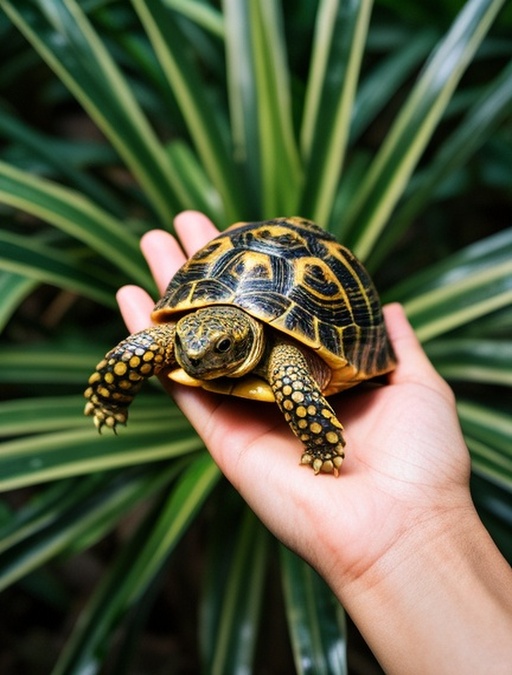
First things first, let's get one thing straight. When we talk about 'training' a Burmese Star Tortoise, we're not talking about teaching them tricks like a dog. Their brains work differently, and they're driven by some pretty strong basic instincts. The goal here is really about behavioral conditioning and habituation. It's about making them feel safe, secure, and understanding what to expect from their human. This reduces stress for them and makes handling way easier for you. Think of it as setting up a good routine and clear communication.
Alright, so where do we start? The absolute foundation is trust. These guys can be shy, especially when they're young. The key is consistency and patience. Start by just being present near their enclosure without bothering them. Let them get used to your smell and your shape. Then, begin offering food by hand. Use their favorite treats – dandelion greens, a bit of hibiscus flower, or some safe, moistened commercial tortoise diet. Move slowly and avoid sudden gestures. Over time, they'll associate your hand with good things (yummy food!) and not with danger.
Now, about handling. Burmese Stars aren't naturally cuddly, and many don't enjoy being picked up. The 'training' is for necessary handling, like health checks or enclosure cleaning. The trick is to support their entire body. Never pick them up by the sides of their shell – it's scary and can even hurt them. Slide your hand under their plastron (the belly part of the shell) from the front, and use your other hand to gently steady the top. Lift smoothly. Do this regularly for short, positive sessions, maybe followed by a treat. They'll learn that being picked up isn't the end of the world.
Another cool behavior you can encourage is target training. Sounds fancy, but it's simple! Get a small, brightly colored object on a stick – a ping pong ball works great. Present the target near their head. When they investigate it or touch it with their nose, immediately give them a tiny treat. Repeat. Eventually, you can use the target to guide them to move to a specific spot in their enclosure, which is super helpful for cleaning or when you need them to come out. It's like a game for them! Just remember, keep sessions short, like 5 minutes max. Their attention spans are, well, tortoise-like.
Bathing time is another great opportunity for positive reinforcement. Many Burmese Stars will naturally drink and relieve themselves in warm, shallow water. Make bath time a calm, regular ritual. Use lukewarm water in a shallow tub they can't climb out of easily. While they're soaking, you can gently pour water over their shell. Speak softly to them. If they stay calm and don't totally retreat into their shell, that's a win! This helps them get used to being touched and handled for hygiene purposes.
What about unwanted behaviors? Let's say your tortoise is constantly trying to climb the walls of its enclosure (a behavior called 'climbing the walls' or 'escape behavior'). This is often a sign that something's off in their environment – maybe the enclosure is too small, too bare, or the temperatures are wrong. Instead of trying to 'train' this out of them, you need to fix the root cause. Add more hiding spots, interesting terrain (gentle slopes, safe rocks), and ensure proper heat and UVB lighting. A happy, enriched tortoise is a well-behaved tortoise.
Finally, let's talk about the biggest 'don't.' Never, ever punish your Burmese Star. Yelling, tapping on the shell, or anything negative will only make them terrified of you. They don't understand punishment like a mammal would. It will destroy all the trust you've built and can cause them to become chronically stressed, which leads to health problems. Positive reinforcement – rewarding the behaviors you like – is the only way to go with these ancient, gentle creatures.
In the end, 'training' your Burmese Star Tortoise is really about building a deep, understanding relationship. It's about reading their body language – a withdrawn head and closed eyes might mean 'I'm scared,' while active foraging means 'I'm content.' It's a slow journey, filled with small victories. That first time they confidently take food from your fingers, or calmly walk onto your hand, is an incredible feeling. It's a partnership built on respect for their natural, slow-paced world. So take a deep breath, match their rhythm, and enjoy the process. The bond you'll create is worth every patient minute.