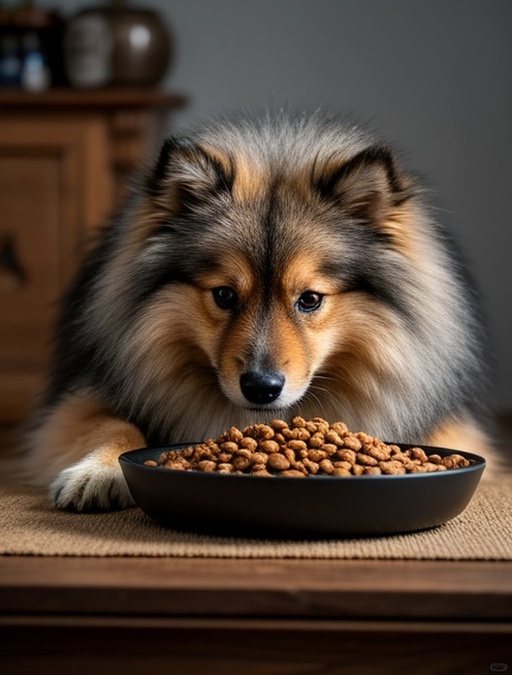
Alright, let's dive right in. First things first, understanding your Keeshond's needs is key. They're a medium-sized breed, usually weighing between 35 to 45 pounds, and they're known for being pretty active and intelligent. That means their diet has to fuel both their body and their brain. A high-quality dog food is non-negotiable. Look for one that lists a real meat source (like chicken, beef, or fish) as the first ingredient. Avoid those with lots of fillers like corn or wheat—they don't do much for your pup's energy levels and can even lead to weight gain, which is a common issue for Keeshonds if we're not careful.
Now, about portions. It's not a one-size-fits-all deal. A typical adult Keeshond might need around 1.5 to 2.5 cups of dry food per day, but this can vary based on age, activity level, and metabolism. Puppies, of course, eat more frequently—usually three to four small meals a day until they're about six months old. For adults, splitting their daily food into two meals (morning and evening) is a great idea. It helps prevent bloating and keeps their energy steady throughout the day. Oh, and don't forget to adjust if your Keesie is super active or more of a couch potato; you might need to tweak those amounts a bit.
Speaking of weight, Keeshonds can be prone to packing on the pounds if we overfeed them. It's easy to do with those pleading eyes! But extra weight puts stress on their joints and can lead to health problems. A good rule of thumb is to check their rib area—you should be able to feel their ribs without seeing them. If you're unsure, your vet can help you figure out the ideal weight. And treats? Sure, they're awesome for training, but keep 'em small and healthy. Think bits of carrot or apple, or low-calorie dog treats. Too many can quickly add up, trust me on this one.
What about special diets? Some Keeshonds might have sensitive stomachs or allergies, so grain-free or limited-ingredient foods can be a lifesaver. If your pup seems itchy or has digestive issues, it might be worth discussing with your vet. Also, as they get older, senior Keeshonds might need food with joint support, like glucosamine. Always transition to a new food slowly over a week to avoid tummy troubles—mix a little of the new with the old and gradually increase it.
Hydration is just as important as food! Always have fresh, clean water available. Keeshonds, with their thick coats, can get warm, so they need to drink plenty. During hot days or after playtime, make sure their bowl is full. And a quick tip: avoid feeding right before or after vigorous exercise to reduce the risk of bloat, which is a serious condition for deep-chested breeds.
In the end, feeding your Keeshond is all about balance and attention. Watch their weight, choose quality food, and stick to a routine. Every dog is unique, so don't be afraid to adjust as you go. With a little care, you'll have a thriving, fluffy companion by your side for years to come. Happy feeding!