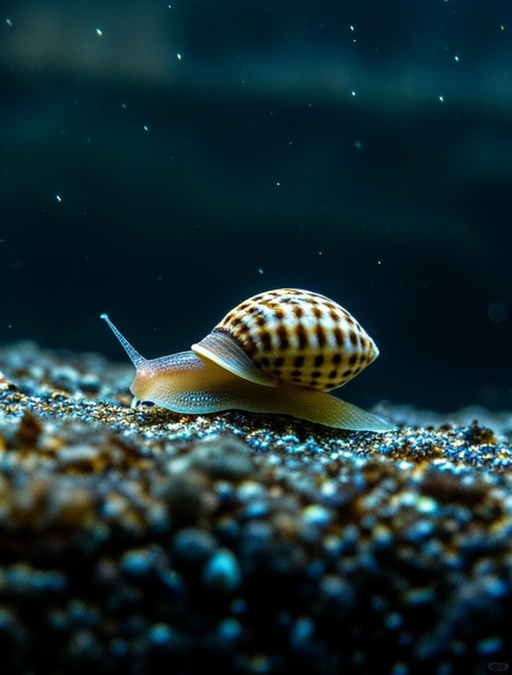
First things first, let's talk about their home – the aquarium. Cowries are saltwater superstars, so you gotta get that marine environment just right. The water quality is everything. You need to keep the salinity stable – think specific gravity around 1.023 to 1.025. Big swings are a big no-no and can really stress your little buddy out. The temperature should be a cozy tropical range, between 75°F and 80°F (that's about 24°C to 27°C). And don't forget about pH! Aim for a level between 8.1 and 8.4. Testing your water regularly isn't just for pros; it's a must-do for any cowrie parent. A good filter and some live rock will help keep things clean and stable.
Now, onto the fun part: feeding! Cowries are often called 'algae grazers' for a reason. In the wild, they munch on algae and biofilm that grows on rocks and glass. In your tank, you gotta make sure they have enough of this natural food. If your tank is too clean (which is a good problem to have, I guess!), you might need to supplement. You can offer them dried seaweed sheets (nori) or special algae wafers made for marine herbivores. Just stick it near them and watch them go to town! A well-fed cowrie is an active cowrie, constantly on the move and doing its job cleaning your tank.
One of the coolest things about cowries is their mantle. When they're out and about, they extend this fleshy cloak over their beautiful shell. It's not just for show – it helps them breathe, sense their environment, and even helps keep the shell clean and shiny. If you see your cowrie's mantle retracted a lot, or if it's hiding for days, that's a red flag. It could mean the water parameters are off, it's not getting enough food, or it's just plain stressed. A healthy cowrie should be out exploring, especially at night or in low light.
Let's chat about tank mates, because not every fish is a friend. Cowries are generally peaceful, but they can be vulnerable. Avoid putting them with aggressive fish or crustaceans that might pick on them or try to steal their food. Some good companions are other peaceful reef fish, small gobies, or other gentle snails. Also, be super careful with any medications or copper-based treatments in the tank. Cowries and many other invertebrates are super sensitive to copper – it can be fatal. Always check if a treatment is 'invertebrate-safe' before using it.
Finally, keep an eye out for common health issues. The biggest one is shell damage. If the shell gets chipped or eroded, it's a sign the water might be too acidic (low pH) or they're lacking calcium. Make sure you're using a good marine salt mix and consider supplements for calcium and alkalinity. Another thing to watch for is parasites or hitchhikers. Sometimes little pests can come in on live rock or new additions. Quarantining new stuff is a great habit. If your cowrie seems lethargic, stops eating, or its mantle looks discolored, it's time to double-check everything and maybe consult with an expert at your local fish store.
Remember, keeping a cowrie is a rewarding journey. It's about observing, learning, and creating a tiny slice of the ocean in your home. They're not high-maintenance in a demanding way, but they do require consistency and attention to detail. When you see that glossy shell gliding across the rock, with its mantle flowing like living velvet, you'll know all the care is worth it. You're not just keeping a snail; you're a guardian for a tiny, amazing piece of marine life. So take a deep breath, enjoy the process, and here's to your cowrie's long and healthy life!