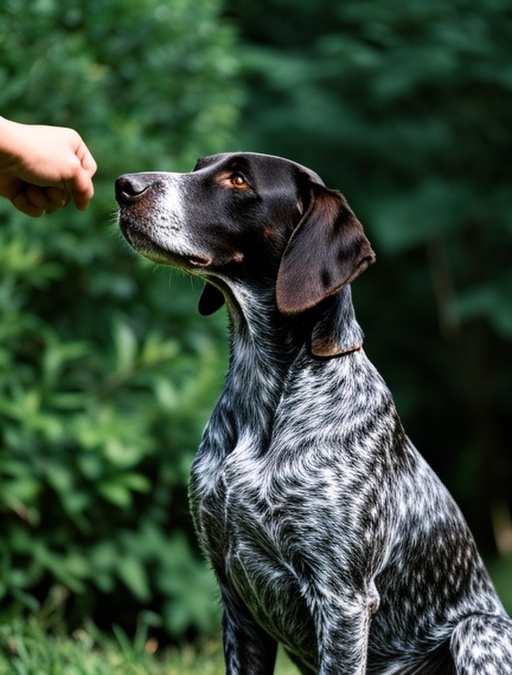
Alright, let's start at the beginning. What makes a German Shorthaired Pointer tick? These dogs were bred to be hunting companions, which means they have a strong prey drive, tons of stamina, and brains to spare. They're not couch potatoes; they're thinkers and doers. If you don't give them a job or enough exercise, they'll invent their own—and trust me, you probably won't like their ideas! Chewed shoes, dug-up gardens, and endless zoomies are common complaints. The key to successful training is understanding this need for mental and physical stimulation. It's like having a brilliant, hyperactive kid; you gotta keep 'em busy and engaged.
Now, onto the golden rule of GSP training: consistency is everything. These dogs are smart enough to learn the rules, but they'll also test boundaries if you let them. Set clear rules from day one and stick to them. If jumping on the couch is a no-no, it's always a no-no, not just when you're wearing your good pants. Use the same commands every time and make sure everyone in the household is on the same page. Mixed signals will just confuse your pup and slow down progress. Remember, you're the leader of the pack, and a good leader is firm but fair.
Positive reinforcement is your best friend here. GSPs are sensitive souls who thrive on praise and rewards. Yelling or harsh corrections will just scare them and damage your relationship. Instead, focus on rewarding the behaviors you want to see. Did your pup sit nicely when asked? Shower them with treats, belly rubs, and an enthusiastic "Good dog!" They live to please you, so make it worth their while. Find what motivates your dog—it might be food, a favorite toy, or just your happy voice—and use it liberally. This builds trust and makes training a fun game for both of you.
Because of their high energy, exercise is non-negotiable. A tired GSP is a well-behaved GSP. We're talking long walks, runs, hikes, or play sessions like fetch or flirt pole. This isn't just about burning off steam; it's about fulfilling their instinctual needs. A good rule of thumb is at least 60-90 minutes of vigorous activity every day. Pair this physical exercise with mental challenges. Teach them new tricks, use puzzle toys, or try scent work games where they have to find hidden treats. This combo of physical and mental work will prevent most behavioral issues before they even start.
Let's talk about some common challenges. Leash pulling is a big one. With their strong hunting instinct, they might want to chase every squirrel or bird they see. To combat this, practice loose-leash walking in a low-distraction area first. Stop walking the moment the leash gets tight, and only move forward when there's slack. It requires patience, but it teaches them that pulling gets them nowhere. Another issue can be their mouthiness; they might nip or mouth during play. Redirect this behavior to an appropriate toy immediately. If they get too excited, a short time-out can help them calm down.
Socialization is super important too. Expose your GSP to different people, dogs, sounds, and environments from a young age. Do it in a positive, controlled way. This helps prevent fear or aggression later on. A well-socialized GSP is a confident and friendly companion. Remember, training is a lifelong journey, not a one-time event. Keep sessions short, fun, and end on a positive note. Celebrate the small victories! With patience, consistency, and lots of love, you'll have a loyal, well-mannered best friend for life. You got this!