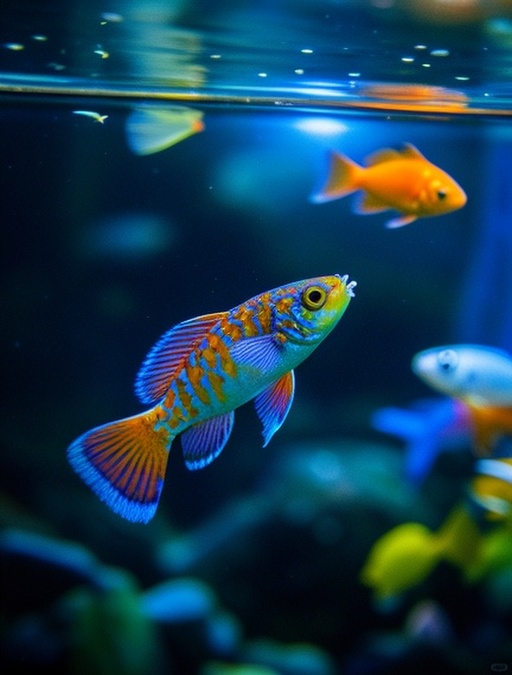
First things first, let's talk about what Mandarin Fish actually eat in the wild. These little guys are from the coral reefs, and they're obsessed with tiny critters called copepods. Yep, that's their go-to snack! In your tank, replicating this diet is key. You can't just toss in some flake food and hope for the best – they'll likely ignore it. Instead, you need to provide live or frozen foods like brine shrimp, mysis shrimp, or specially cultured copepods. I've found that a mix of these works wonders, and it keeps their diet varied and interesting.
Now, here's a pro tip: Mandarin Fish are slow eaters. They like to peck at their food throughout the day, so don't expect them to gobble up a big meal all at once. It's better to feed small amounts multiple times a day. I usually do two to three feedings, just enough so they can nibble without leaving leftovers that pollute the water. Trust me, overfeeding is a common mistake – it can lead to dirty water and health issues, so keep it light and frequent.
Another thing to consider is tank setup. If you want your Mandarin Fish to thrive, make sure your aquarium is mature and has plenty of live rock. Why? Because live rock harbors those tasty copepods they love! A well-established tank (think 6 months or older) will naturally produce copepods, giving your fish a constant snack supply. This is super helpful, especially if you're not always around to feed them. Plus, it mimics their natural habitat, making them feel right at home.
But what if your fish is being stubborn and refusing food? Don't panic! Sometimes, Mandarin Fish can be shy or stressed when first introduced to a new tank. In that case, try target feeding with a pipette or syringe. Gently squirt some food near their hiding spots, and they might just come around. Patience is key here – it can take a few days for them to adjust. I've had success with soaking frozen foods in garlic juice or vitamin supplements to make them more appealing. It sounds weird, but fish go crazy for that garlic scent!
Lastly, let's chat about supplements. While live and frozen foods are great, adding some variety with high-quality pellets or flakes designed for carnivorous fish can be a good backup. Just make sure to introduce them slowly and mix them with their favorite treats. Keep an eye on their behavior and weight – a healthy Mandarin Fish should be active and have a slightly rounded belly. If they start looking skinny or lethargic, it might be time to tweak the diet or consult a vet.
In summary, feeding Mandarin Fish is all about mimicking their natural diet and being patient. With the right foods, a mature tank, and a little TLC, you'll have a vibrant, thriving fish that's the star of your aquarium. Remember, every fish is unique, so don't be afraid to experiment and find what works best for your finned friend. Happy feeding!