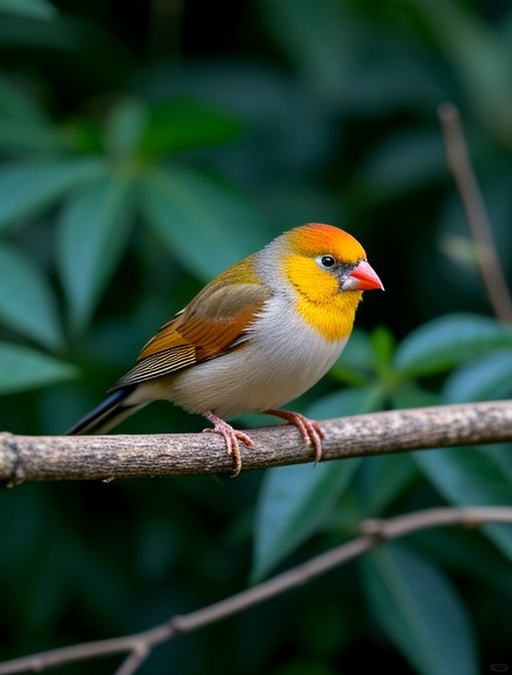
So, what's the deal with Cordon-bleu finches, you might ask? Well, picture this: a bird about the size of your thumb, with bright blue feathers on its head and chest, and a soft, buff-colored body. They're like little sky-blue gems flittin' around! I've kept a pair named Sky and Belle for a few years now, and let me tell ya, they're full of surprises. One thing I love is how social they are – in the wild, they hang out in small flocks, and in captivity, they do best with a buddy. Sky and Belle are inseparable; they preen each other's feathers and chirp back and forth like they're havin' a full-on conversation. It's the cutest thing ever, and it shows how important companionship is for these birds.
Now, when it comes to their diet, Cordon-bleus are pretty easygoing, but you gotta get it right. They mainly eat small seeds, like millet and canary seed, but here's a tip from my own mess-up: don't forget the live food! In the wild, they munch on insects too, so I offer 'em mealworms or fruit flies a couple times a week. The first time I tried, Belle was hesitant, but Sky went for it like a pro – now they both love it. It's key for their health, especially during breeding season. Oh, and fresh water daily, of course; I change theirs every morning, and they always take a quick dip, splashing around like kids in a puddle.
Breeding Cordon-bleus can be a real adventure, and I've got a funny story about that. They're cavity nesters, so I provided a small nest box in their aviary. Sky, the male, started collecting grasses and feathers like a tiny architect, while Belle supervised. One day, I noticed she laid a few tiny eggs – about the size of peas! The incubation period is around two weeks, and both parents take turns sittin' on 'em. When the chicks hatched, they were naked and blind, but within weeks, they grew fluffy feathers. The funniest part? The parents would feed 'em by regurgitating food, and the babies would chirp loudly, demandin' more. It's a messy but heartwarming sight, remindin' me how resilient these little birds are.
Caring for Cordon-bleus isn't just about food and shelter; it's about enrichment too. These birds are active and curious, so I make sure their cage has perches, swings, and even some safe plants to explore. Once, I put in a small mirror, and Sky spent hours chirpin' at his reflection, thinkin' it was another bird – it was hilarious! But be careful: they can be sensitive to drafts and sudden temperature changes. I learned that the hard way when Belle got a bit sneezy after I left a window open; a quick vet visit and some warmth fixed her right up. Overall, they're hardy if you keep their environment stable and clean.
In terms of health, Cordon-bleus are generally robust, but watch out for common issues like mites or respiratory problems. I check Sky and Belle regularly for any signs of illness, like fluffed-up feathers or lethargy. A balanced diet and clean living space go a long way in preventin' troubles. And hey, don't forget the social aspect – these birds thrive on interaction, whether with their own kind or with you talkin' to 'em. My final thought? Cordon-bleus might be small, but they bring huge joy with their vibrant colors and sweet songs. If you're thinkin' of gettin' one, do your research and be ready for a delightful, feathery friend!