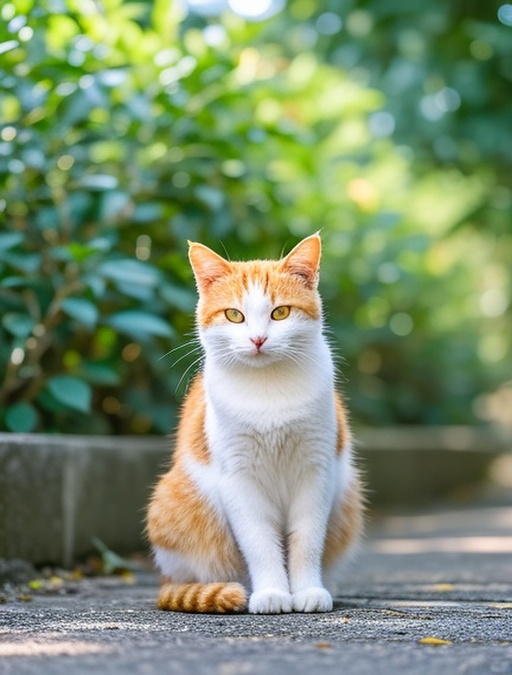
Alright, let's start with the basics. The Chinese Li Hua, sometimes called the Dragon Li, is a natural breed. That means they evolved on their own in China, without humans messing with their genes. This gives them a serious advantage – they're generally super healthy and robust. But hey, 'generally healthy' doesn't mean 'indestructible,' right? A good care routine is still your best bet for a long, purr-filled life with your Li Hua buddy.
First up, grub time! These cats are active and muscular, so they need a high-quality diet rich in protein. Think meat-first cat food, whether it's wet or dry. Don't go cheap on the kibble; fillers like corn and wheat can lead to weight gain and other issues. Portion control is key! Li Huas love their food, and they can get a little chunky if you let them free-feed all day. Stick to measured meals twice a day. And fresh water? Non-negotiable. Keep that bowl clean and full, 24/7.
Now, onto exercise and play. Remember, these guys have serious hunter instincts. A bored Li Hua is a mischievous Li Hua! You gotta engage that natural drive. Feather wands, laser pointers (be careful not to shine it in their eyes!), and puzzle feeders that make 'em work for a treat are perfect. Cat trees and high perches are also a must. They love to climb and survey their kingdom. Aim for at least 15-20 minutes of active play twice a day. It keeps them fit and their minds sharp.
Grooming is a breeze with these cats. Their short, dense coat doesn't mat easily. A quick brush once a week with a rubber grooming mitt or a soft bristle brush is usually enough to remove loose hair and keep their coat shiny. It's also a great bonding time. During shedding seasons, you might need to brush 'em two or three times a week. Don't forget the basics: trim their claws every couple of weeks, and check their ears for dirt or wax buildup. Dental care is huge! Get them used to teeth brushing early, or use dental treats and water additives to fight plaque.
Health check-ups are where you play detective. Li Huas are tough, but they're not immune to common cat problems. Watch for signs of urinary tract issues – frequent trips to the litter box or crying while peeing. Keep an eye on their weight to prevent diabetes. Their strong jaws can sometimes have dental problems, so regular vet cleanings are smart. A yearly vet visit for vaccinations and a general check-up is your best insurance policy. Spaying or neutering is also crucial for their long-term health and behavior.
Last but not least, let's talk environment and love. These cats are fiercely loyal and bond deeply with their families. They're smart and can even be trained to do simple tricks. They need mental stimulation. Rotate their toys, create hiding spots, and maybe even try leash training for safe outdoor adventures. A stressed cat is an unhealthy cat, so provide a stable, loving home. They might be independent hunters at heart, but they crave your companionship. A little chin scratch and a cozy lap can work wonders for their well-being.