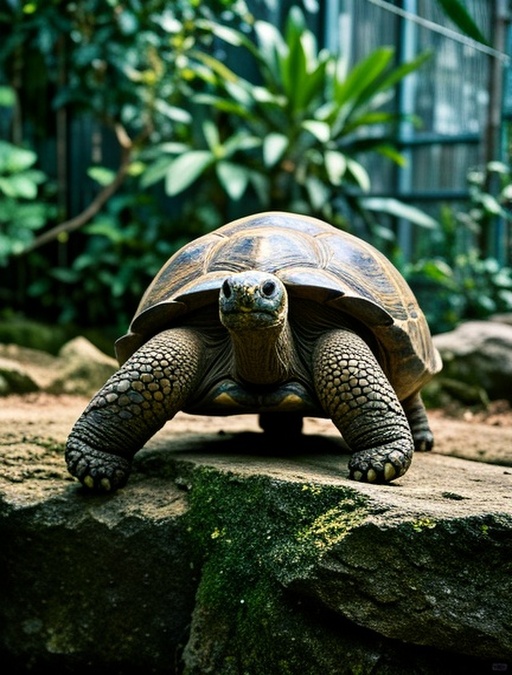
Alright, let's start with the basics. The Aldabra Tortoise is one of the largest tortoise species in the world, second only to the Galapagos giant. We're talking about a creature that can easily weigh over 500 pounds and live well past 100 years—yeah, you read that right. They hail from the Aldabra Atoll in the Indian Ocean, which gives them their name. Their most striking feature? That massive, dome-shaped shell and those thick, column-like legs built for carrying all that weight. They come in various shades of gray and brown, and their skin has a rough, almost elephant-like texture. They're not flashy, but there's a majestic, ancient beauty to them that's hard to ignore.
Now, about their personality. Don't expect a cuddly puppy. Aldabras are calm, dignified, and surprisingly intelligent. They have their own routines and can even recognize their caregivers. Some can be a bit shy at first, while others are curious from the get-go. They're not big on being handled (for obvious size reasons!), but they do appreciate gentle interaction, like a slow scratch on the neck. Watching them methodically explore their enclosure or munch on greens is weirdly meditative. They're peaceful creatures that bring a sense of calm to any space.
Here's the big one: space. You cannot keep an Aldabra Tortoise in your apartment. Just don't. They need a massive, secure outdoor enclosure. I'm talking a minimum of several hundred square feet for an adult, with sturdy fences they can't push through. They need areas to bask in the sun, plenty of shade to cool off, and a sheltered house for nighttime or bad weather. The substrate should be a mix of soil and sand for digging. If you live in a cooler climate, you'll need a fully heated indoor barn for the winter months. This is a lifelong commitment to real estate for your pet!
Diet is pretty straightforward but crucial. Aldabras are strict herbivores. Their diet should be mostly grasses and hay—think timothy or orchard grass. You can supplement with a variety of leafy greens like dandelion greens, collard greens, and endive. Fruits should be a very rare treat, as too much sugar can cause health issues. Always provide a cuttlebone or calcium supplement to support that giant shell. And fresh, clean water for drinking and soaking is a must. They love a good soak to hydrate and help with shedding.
Health-wise, these guys are generally hardy if kept correctly. The main issues stem from poor diet or inadequate housing. Metabolic bone disease from lack of calcium or UVB light is a big risk. Respiratory infections can happen if they're kept too cold or damp. Parasites are also common, so regular fecal checks by an exotic vet are essential. Speaking of vets, you must find one experienced with giant tortoises BEFORE you get one. Not all vets will know how to handle a 300-pound patient.
Let's talk logistics and legality. First, Aldabra Tortoises are often protected under CITES, meaning you need proper permits to own one. Always buy from a reputable, captive-bred breeder with documentation—never from the wild. The initial cost for the tortoise itself can be several thousand dollars. Then add in the cost of building a proper enclosure, which can run into the tens of thousands. Ongoing costs for food, utilities (for heating), and vet care are significant. This is a pet that requires serious financial planning.
So, is an Aldabra Tortoise the right pet for you? Ask yourself these questions: Do I have the space—like, really have the space? Am I prepared for a commitment that will likely outlive me? Can I handle the financial responsibility? If you answered yes to all of these, and you're fascinated by gentle, long-lived giants, then an Aldabra could be an incredibly rewarding companion. They're not pets in the traditional sense; they're lifelong family members that connect you to a wilder, slower world. Do your homework, prepare thoroughly, and you could have a friend for a century.