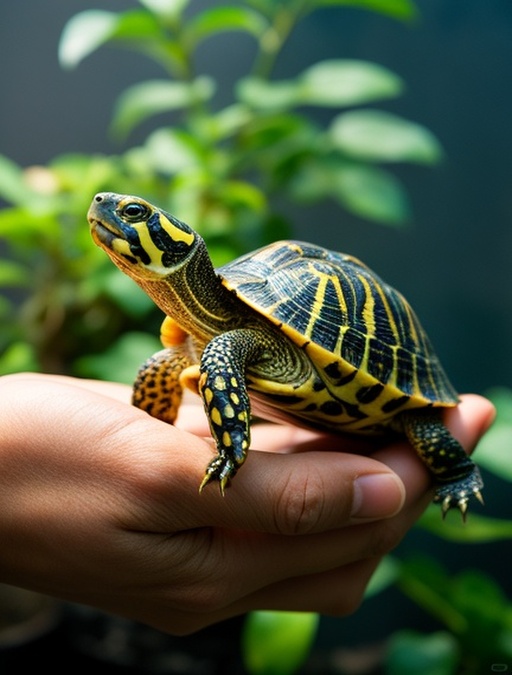
First off, let's talk about what the Egyptian Tortoise is all about. Native to the dry, rocky areas of Egypt and Libya, these tortoises are one of the smallest species in the world, with adults often fitting in the palm of your hand. Their shells are usually a lovely golden or tan color, which helps them blend into the sandy environment. But don't let their size fool you—they're tough little survivors, adapted to harsh conditions. In captivity, they thrive with proper care, and that includes some basic beauty and grooming routines to keep them healthy and happy.
Now, when it comes to beauty dressing for your Egyptian Tortoise, it's not about fancy outfits or accessories (though some pet owners do enjoy cute little hats for photos!). Instead, it's all about maintaining their natural beauty through good hygiene and shell care. Start with their shell: give it a gentle wipe with a soft, damp cloth once a week to remove any dirt or debris. Avoid harsh chemicals or soaps, as these can dry out their skin and shell. If you notice any scratches or discoloration, it might be a sign of nutritional issues, so check their diet—more on that later!
Another key aspect is their skin and nails. Egyptian Tortoises have delicate skin that can get dry, especially in indoor setups with low humidity. To prevent this, mist their enclosure lightly with water or provide a shallow dish for them to soak in. Soaking not only hydrates their skin but also helps with shedding and keeps their nails trimmed naturally as they move around. If their nails get too long, you can carefully clip them with pet nail clippers, but be cautious not to cut too close to the quick—it's better to ask a vet for help if you're unsure.
Diet plays a huge role in their overall beauty and health. Feed them a mix of leafy greens like dandelion greens and kale, along with occasional fruits like strawberries for a treat. A balanced diet rich in calcium and vitamins will keep their shell shiny and strong. Supplements can be added, but always consult with a reptile expert to avoid overdoing it. Remember, a happy tortoise is a beautiful tortoise, so provide plenty of hiding spots and basking areas to reduce stress, which can affect their appearance.
In terms of enclosure setup, make sure it mimics their natural habitat. Use a substrate like coconut coir or sand-soil mix to allow for digging, which is a natural behavior that keeps their shells smooth. Regular cleaning of their home prevents bacterial growth that could lead to shell rot or other issues. And don't forget about UVB lighting—it's essential for shell health and overall vitality, helping them absorb calcium properly. With these simple steps, your Egyptian Tortoise will not only look gorgeous but also live a long, fulfilling life.
Lastly, let's touch on common beauty mistakes to avoid. Over-bathing can strip their skin of natural oils, so limit soaks to once or twice a week. Also, resist the urge to paint or decorate their shell—it can be harmful and stressful for them. Instead, focus on natural enhancements like a varied diet and a clean environment. If you ever notice unusual changes in their shell or behavior, like lethargy or loss of appetite, it's best to visit a vet who specializes in reptiles. After all, beauty starts from within, and a healthy tortoise will always shine the brightest!
To wrap things up, caring for an Egyptian Tortoise is a rewarding experience that doesn't require a lot of fuss. By following these easy beauty and grooming tips, you'll ensure your little friend stays in tip-top shape. Share your stories and photos online—I'd love to see how your tortoise is thriving! Thanks for reading, and keep spreading the love for these amazing creatures. They might be small, but they sure know how to make a big impact in our hearts.