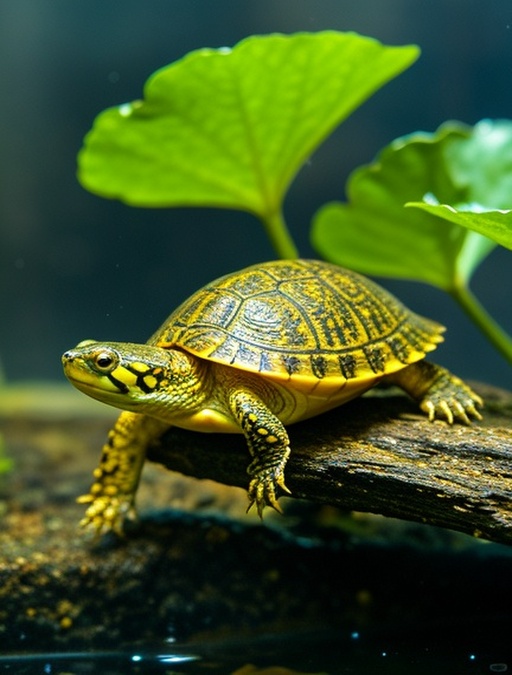
First things first, let's get to know our star of the show. The Yellow Mud Turtle, scientifically known as Kinosternon flavescens, is a small freshwater turtle native to parts of the United States and Mexico. They're often called the "Yellow Mud" because of, you guessed it, that bright yellow patch on their chin and throat—it's like they're always wearing a little sunshine necklace! These guys are on the smaller side, usually maxing out around 4 to 5 inches in shell length, making them a great choice for folks who don't have a ton of space. Don't let their size fool you, though; they've got big personalities! They're curious, active, and can be quite the little characters once they settle in.
Now, setting up their home is where the fun begins. These turtles are semi-aquatic, which means they need both water and land areas to thrive. For a single adult, I'd recommend a tank that's at least 40 gallons—bigger is always better, trust me. The water part should be deep enough for them to swim comfortably, but not so deep they can't easily touch the bottom; a good rule of thumb is about 1.5 to 2 times their shell length. They love to burrow and hide in soft substrates, so a sandy or fine gravel bottom is perfect. Oh, and don't forget a sturdy basking area! A flat rock or a commercial turtle dock works great, and you'll need a good heat lamp and UVB light above it. These lights are super important for their digestion and shell health—it's like their daily dose of sunshine!
Feeding time is always a blast with these little guys. Yellow Mud Turtles are omnivores, which means they eat both plant and animal stuff. In the wild, they munch on insects, worms, small fish, and aquatic plants. In captivity, you can offer a varied diet to keep them happy. I like to give them high-quality commercial turtle pellets as a staple, supplemented with live or frozen foods like bloodworms, brine shrimp, and the occasional earthworm as a treat. For greens, try offering chopped leafy veggies like romaine lettuce or dandelion greens—just avoid iceberg lettuce, it's mostly water and has little nutritional value. Feed juveniles daily and adults every other day, and remember to remove any uneaten food to keep the water clean.
Keeping their water clean is probably the biggest challenge, but it's totally doable with a bit of effort. These turtles can be a bit messy, especially after meals, so a good filtration system is a must-have. I swear by a canister filter rated for a tank larger than what you have; it really helps keep the water crystal clear. Regular partial water changes, about 25% every week or two, are also key. And here's a pro tip: use a water conditioner to remove chlorine and chloramines from tap water—turtles are sensitive to those chemicals. Monitoring water temperature is important too; aim for around 75-80°F (24-27°C) using an aquarium heater. A clean tank means a healthy turtle, and you'll avoid a lot of common health issues.
Speaking of health, let's talk about keeping your mud turtle in tip-top shape. Generally, these turtles are pretty hardy if their basic needs are met. Watch out for signs of a healthy turtle: clear eyes, a firm shell without soft spots or discoloration, and an active appetite. Common issues can include shell rot (often from poor water quality), respiratory infections (if basking areas are too cool), and vitamin deficiencies (from lack of UVB or a poor diet). If you notice anything off, like lethargy, swollen eyes, or a lack of interest in food, it's best to consult a reptile-savvy vet. Regular, gentle handling can help you bond with your turtle and check for any problems, but don't overdo it—they're not cuddly pets and can get stressed.
So, is the Yellow Mud Turtle the right pet for you? Well, if you're looking for a low-maintenance pet that you can ignore for days, this might not be your best bet. They require a committed setup, regular cleaning, and a specific diet. But if you're someone who enjoys observing fascinating behaviors, doesn't mind a bit of weekly tank maintenance, and wants a unique, long-lived companion (they can live 20-30 years with proper care!), then you might just have found your perfect match. They're incredibly rewarding to care for, and their quirky antics never fail to bring a smile. Just remember, always source your turtle from reputable breeders who practice captive breeding—it's better for the turtles and the environment.