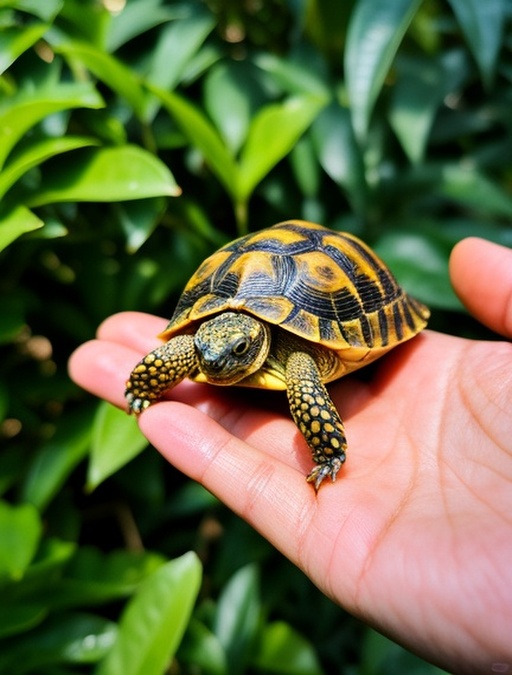
First off, let's get one thing straight—Hermann's tortoises are tough little guys, but that don't mean you can skip out on regular care, yeah? A lot of new owners think since they're way lower maintenance than dogs or cats, they can just toss 'em in a tiny glass tank with some iceberg lettuce and call it a day, but that's the fastest way to land your tort at the vet's office before you even know what hit you. Most common Hermann's tortoise health issues come down to bad habitat setup, so let's start there first.
Your tort's enclosure is their whole world, so getting it right is non-negotiable for good health. First, size matters: baby torts can start in a 20 gallon tank, but adults need at least a 4x2 foot enclosure, or better yet a secure outdoor pen if you live in a climate that stays between 60 and 95°F for most of the year. Skip cedar or pine substrate, those fumes are toxic to reptiles, use cypress mulch, orchid bark, or coconut coir instead. Next up is temperature gradient: they need a basking spot that hits 90-95°F during the day, and a cool side of the enclosure that stays 70-80°F so they can regulate their own body temp. Night temps can drop a little, but don't let 'em go below 60°F unless you're prepping them for hibernation. The most important thing most people mess up? UVB lighting. You need a special reptile UVB bulb mounted inside the enclosure, no glass or plastic between it and the tort, cause those block UV rays. Replace the bulb every 6-12 months even if it still lights up, the UV output burns out way before the bulb stops glowing. No UVB = metabolic bone disease, which causes soft, lumpy shells, broken limbs, and even death if it's not caught early. Humidity is another easy one to mess up: baby torts under 2 years old need 40-50% humidity, adults can do fine with 30-40%. Too dry and they get respiratory issues or flaky, cracked shells, too wet and you get mold growth and shell rot.
Diet is the next big piece of the health puzzle, and so many owners get this dead wrong. Hermann's tortoises are strict herbivores, they need high fiber, low protein, low sugar diets to thrive. 80% of their daily food should be dark, leafy greens: dandelion greens (the ones from your yard are perfect as long as you don't use pesticides, it's their absolute favorite!), endive, escarole, mustard greens, turnip greens, and collard greens. 10% can be other veggies like chopped bell peppers, shredded squash, or small bits of carrot. The last 10%? Only small servings of fruit like strawberries, melon, or apple, and only give that once a week max, okay? Too much sugar messes up their gut flora and causes diarrhea and weight gain. Never ever feed them iceberg lettuce, it's got zero nutrients just water, and never feed them meat, dog food, cat food, or commercial tortoise pellets that have added protein. Too much protein wrecks their kidneys and causes deformed shells that don't ever heal right. You also need to dust their food with calcium powder without D3 3 times a week, and calcium with D3 once a week if they don't get at least 2 hours of natural unfiltered sunlight a day. That calcium supplement is the easiest way to prevent metabolic bone disease, it's not optional.
Now let's talk about common health issues you need to watch out for, so you can catch 'em early before they get bad. First up is metabolic bone disease we mentioned earlier: signs are soft spots on the shell, lumpy uneven shell growth, swollen limbs, trouble walking, or a jaw that looks too soft. If you catch it super early, fixing their UVB lighting and adding more calcium can reverse it, but if it's been going on for months the damage is permanent. Next is respiratory infections, which are super common if their enclosure is too cold or drafty. Signs are runny or bubbly nose, puffy or watery eyes, wheezing, or breathing with their mouth open. If you see any of these, get them to a reptile vet ASAP, respiratory infections can turn fatal in just a few days for small tortoises, they don't bounce back on their own. Then there's shell rot: you'll see soft, discolored spots on the top or bottom of the shell, sometimes it smells bad or oozes discharge. It's caused by dirty substrate, too much moisture, or a small cut on the shell that gets infected. For mild cases you can clean the spot with diluted betadine and keep them dry for a few hours a day, but if it don't get better in 3 days you need to see a vet, it can spread to their bones and kill them if left untreated. Internal parasites are another common one, even if your tort never leaves the house. They can get parasite eggs from store bought greens or exposure to other reptiles' waste. Signs are sudden weight loss, runny poop that lasts more than a week, or lethargy. Get a fecal test done at your vet once a year to catch parasites early, they're easy to treat with medication if you find them fast.
You don't have to go to the vet every month to keep your tort healthy, there's super easy weekly checks you can do at home to spot issues early. First, weigh your tort once a week at the same time of day, keep a little log of their weight. Slow steady weight gain is normal for growing torts, but sudden weight loss for no reason is always a red flag. Next, run your fingers gently over their shell, check for any cracks, soft spots, or discoloration you didn't notice before. Check their eyes: they should be clear and bright, no puffiness or discharge. Their nose should be dry, no bubbly or runny mucus. If you can safely get a look at their mouth, their gums should be pale pink, no white cheesy spots (that's mouth rot, another infection you need a vet for). Also, you should soak your tort 2-3 times a week in warm shallow water, about chin height, for 10-15 minutes. That helps them hydrate, pass poop easily, and prevents kidney stones that are super common in dehydrated torts. If their nails or beak get overgrown, don't try to trim them yourself, you can cut the quick and make them bleed badly. A reptile vet can trim them in 2 minutes for super cheap, it's not worth risking hurting them.
Oh, and we gotta talk hibernation, cause that's one of the biggest causes of preventable death for Hermann's tortoises with new owners. First off: not all Hermann's tortoises need to hibernate! If your tort is under 2 years old, under 100 grams, or has any existing health issues, don't hibernate them, keep their enclosure warm and lit all winter, they'll be fine. If you do decide to hibernate a healthy adult, you gotta start prepping 6 weeks in advance. Gradually lower the temperature and light in their enclosure over 2 weeks, then stop feeding them completely for 2-3 weeks before hibernation so their gut is 100% empty. If there's food left in their gut when they hibernate, it rots inside them and kills them, I ain't exaggerating. Weigh them every week during prep, they shouldn't lose more than 1% of their body weight each week. Then put them in a ventilated hibernation box with dry, soft substrate like shredded paper or hay, keep it between 37-45°F for 2-4 months. Check on them every couple weeks, weigh them to make sure they're not losing too much weight. If they lose more than 10% of their pre-hibernation weight, wake them up immediately and get them to the vet. When you wake them up, gradually warm them up over 24 hours, offer water first, then food after a day or two. If they don't start eating within a week of waking up, that's a clear sign something's wrong, go to the vet right away.
Last thing: know when to stop trying home remedies and go to the vet immediately. If your tort stops eating for more than 3 days, if they're super lethargic and don't move when you touch them, if they have seizures, if their shell is cracked from a fall or being stepped on, if they're breathing with their mouth open, or if they have bloody poop or pee, don't wait it out. Tortoises are really good at hiding illness, by the time you see obvious signs they're already pretty sick, so don't delay. Also make sure you find a vet that specializes in reptiles, not just a regular dog and cat vet. A lot of regular vets don't know much about tortoise anatomy or care, so you'll get way better help from a specialist.