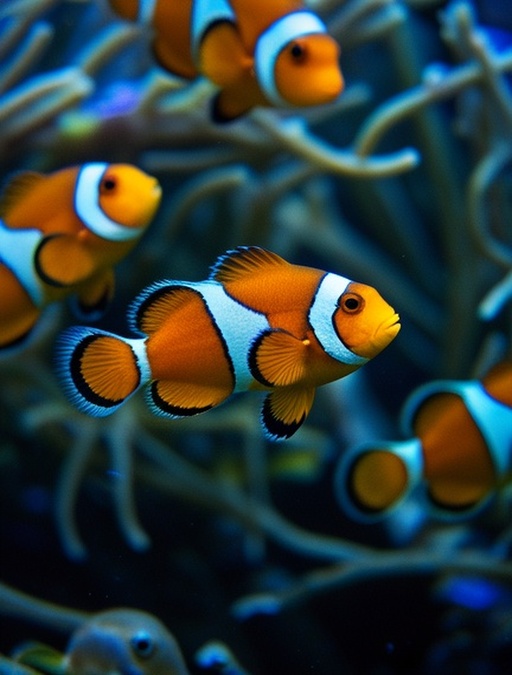
First things first, let's get one thing straight: clown anemonefish, or clownfish as most folks call 'em, aren't gonna fetch a ball or sit on command. They're small marine fish with their own unique personalities, mostly driven by instinct. But that doesn't mean they're just passive decorations in your tank! With a bit of patience and observation, you can influence their behavior in positive ways. The key is to think of 'training' more like 'behavioral conditioning' – it's about creating routines and environments that help them feel safe and engaged. Remember, a happy clownfish is a healthy clownfish, and that often leads to more active and interesting behaviors you can enjoy watching every day.
One of the coolest things about clownfish is their symbiotic relationship with anemones. In the wild, they rely on these stinging creatures for protection, and in your aquarium, providing a suitable anemone or anemone substitute (like certain corals or even decor) can make a huge difference. When your clownfish has a 'home' to host in, they feel more secure. This security can reduce stress behaviors like hiding all the time or erratic swimming. So, step one in behavioral 'training' is setting up the right environment. Make sure your tank has plenty of hiding spots, stable water parameters (clownfish are pretty hardy, but they still need consistency!), and maybe even an anemone if you're up for the challenge. A comfy clownfish is more likely to show off its natural curiosity!
Now, onto the fun part: feeding routines! This is where you can really see some 'training' action. Clownfish are opportunistic feeders, meaning they're always on the lookout for food. By establishing a consistent feeding schedule and location, you can teach them to associate you with positive things. Try feeding them at the same time each day, and gently tap the glass or use a specific tool (like a feeding stick) before adding food. Over time, they'll start to recognize these cues and might even swim to the surface or front of the tank when they see you coming. It's not a trick per se, but it's a rewarding interaction that makes feeding time a blast. Plus, it helps reduce aggression during meals, as each fish knows when and where to expect food.
Another aspect to consider is social behavior. Clownfish live in groups with a strict hierarchy, usually led by a dominant female. In a home aquarium, it's best to keep them in pairs or small groups to mimic this natural structure. If you introduce new fish, do it slowly and carefully to avoid territorial fights. Observing their interactions can be a form of 'training' for you – you'll learn to spot signs of stress or aggression, like chasing or nipping, and can adjust the tank setup if needed. Sometimes, rearranging decor can reset territories and reduce conflicts. By managing their social dynamics, you're essentially 'training' them to coexist peacefully, which leads to a more harmonious tank for everyone.
Lastly, don't underestimate the power of enrichment! Just like other pets, clownfish can get bored in a bare tank. Adding live plants, interesting rocks, or even a mirror (used sparingly and supervised to prevent stress) can stimulate their natural behaviors. You might see them exploring, playing in currents from a pump, or interacting with tank mates. This isn't formal training, but it encourages active, healthy behaviors that make your aquarium more lively. Remember, the goal is to enhance their well-being, not force them into unnatural acts. So, keep it light, be patient, and enjoy the process of getting to know your clownfish's unique personality. With a little effort, you'll have a tank full of happy, engaging little clowns that bring a smile to your face every day!