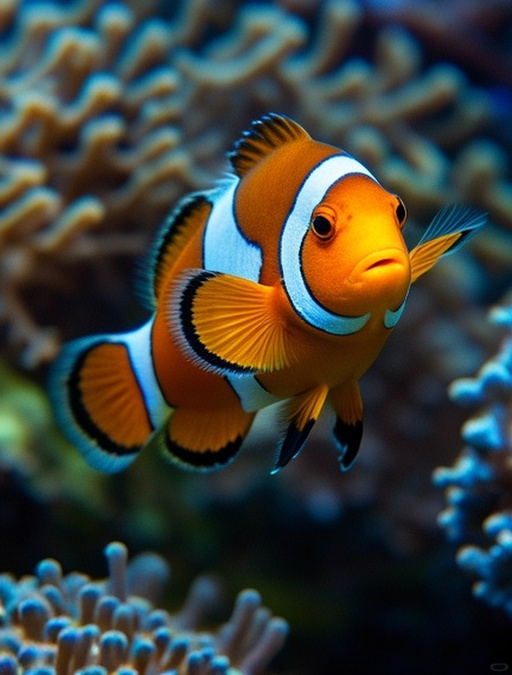
First off, let's clear up a big myth. Many people think Clownfish are super easy to care for 'cause they saw it in a movie. Well, in the real world, it's a bit more complicated. These little guys aren't just pets; they're a part of a delicate ecosystem. Most countries and states have specific regulations about keeping marine life. In places like the United States, for example, you can't just go out and collect a Clownfish from the wild for your home aquarium. That's a big no-no and is often illegal without special permits. Why? 'Cause over-collecting from coral reefs can seriously harm their natural populations and damage the reefs themselves. So, the first rule is: always, and I mean always, buy your Clownfish from a reputable breeder or a store that sources them sustainably. This helps take pressure off wild populations and ensures the fish are healthier and better adapted to tank life.
Now, about those permits and licenses. Depending on where you live, you might need some paperwork. Some areas require a general aquarium hobbyist permit, especially for saltwater species. Others might have strict rules about the size of the tank or the type of equipment you use, to ensure the fish's welfare. It's kinda like how you need a license to have a dog, but for fish! You gotta check with your local fish and wildlife department or agricultural agency. They'll have all the deets on what's allowed in your area. Ignoring these rules can lead to fines or even having your fish taken away, and nobody wants that heartbreak.
Another huge part of the regulations focuses on the environment. Clown Anemonefish have a super cool symbiotic relationship with sea anemones in the wild. While they can live without one in captivity (with proper care), mimicking their natural habitat is key. Regulations often stress the importance of not releasing any pet fish, including Clownfish, into local waterways. This is super, super important! A released Clownfish might not survive, or worse, it could introduce diseases or become an invasive species, messing up local ecosystems. So, part of being a responsible owner is making a lifelong commitment to your fishy friend and never, ever letting it go into the wild.
Let's talk about the actual setup. Regulations might not spell out every detail, but best practices for animal welfare are often encouraged or even required. This means having a tank that's big enough—seriously, those tiny bowls are a thing of the past. For a pair of Clownfish, you're looking at at least a 20-gallon tank to start, with proper filtration, heating, and regular water testing to keep things stable. Water quality is governed by general animal welfare laws in many places, which state you must provide a suitable environment. If your fish is living in dirty, unhealthy water, you could be considered negligent. So, doing your homework on tank cycling, salinity levels, and diet isn't just good advice; it's part of being a lawful, caring owner.
Finally, there's the community aspect. Joining local aquarium clubs or online forums can be a lifesaver. These groups often know the ins and outs of local regulations and can help you navigate the red tape. They're also fantastic for sharing tips on care, which indirectly helps you comply with those welfare guidelines. Remember, regulations aren't there to spoil your fun; they're there to protect the animals and the environment. By following them, you're not just keeping a pet; you're becoming a steward for a tiny piece of the ocean. It's a big responsibility, but oh so rewarding when you see your Clownfish thriving, knowing you're doing right by them and the planet.