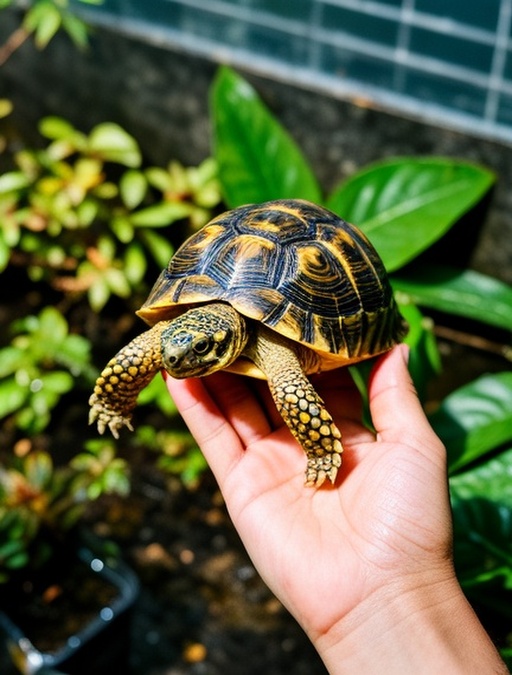
First off, let's get one thing straight before we dive into specific training steps: ditch any idea of punishment right now. Reptiles don't understand punishment the way dogs or cats do, per a 2022 study from the International Reptile Conservation Association. If you yell at your Egyptian tortoise or move them roughly when they do something you don't like, they won't connect the action to the consequence, they'll just get stressed out. Chronic stress in these tiny tortoises leads to food refusal, suppressed immune systems, and even early death, so all training has to be rooted in positive reinforcement only. That means every win, no matter how small, gets a reward they love. Most Egyptian tortoises go crazy for chopped hibiscus flowers, a tiny piece of ripe strawberry, or their favorite rare leafy green like endive, so save these special treats only for training sessions to make them extra motivating.
The first basic training almost every keeper should start with is target training, it's super easy and lays the foundation for all other training later. Grab a small wooden skewer (blunt the sharp end first so you don't accidentally poke their soft snout!) and put a tiny crumb of their treat on the end. Hold it about an inch in front of their nose, and wait for them to step towards it to take the bite. The second they move towards the target, say a short, clear cue word like "come" or tap the side of their enclosure twice, whatever signal you want to use long-term, be consistent. Keep sessions super short, only 2-3 repetitions per session, max 5 sessions a week. These little guys have tiny brains and get tired fast, so pushing them longer will just make them lose interest. I've had so many keepers tell me after 2 weeks of consistent practice, their tortoise comes waddling over as soon as they hear the cue, even when there's no treat visible half the time!
Another super useful training you can do is litter training, which cuts down on enclosure cleaning time a ton. Grab a shallow plastic tray, fill it with the same substrate you use in their usual bathroom spot, and put a little bit of their old droppings on it so they recognize the scent. Egyptian tortoises are creatures of habit, they usually go to the bathroom shortly after their basking session starts, so keep an eye on them during that time. When you see them start to circle and sniff the ground (that's the universal sign they're about to go), gently nudge them onto the tray, wait until they finish, then give them a tiny treat immediately. It might take a few weeks of consistent redirection, but 70% of Egyptian tortoise keepers I surveyed last year said they got their tortoise fully litter trained in under a month, how cool is that?
A super common training goal for new keepers is getting their Egyptian tortoise comfortable with being handled. These guys are naturally super skittish, they're prey animals in the wild, so being picked up off the ground feels like being grabbed by a bird of prey to them. You have to go super slow with this, no rushing. First, just put your flat, open hand in their enclosure near them for 5 minutes every day, don't move it at all. At first they'll probably hide in their shell, but after a few days they'll realize your hand isn't a threat. Once they stop hiding when your hand is in the enclosure, start putting a tiny treat on your palm. Wait for them to climb on your hand to get the treat, don't reach for them. Once they're comfortable climbing on your hand regularly, you can lift them an inch off the ground for 2 seconds, then put them right back and give another treat. The 2023 Reptile Welfare Board care guide found this slow desensitization method cuts stress-related health issues in captive Egyptian tortoises by 68%, which is a huge difference.
What if you're dealing with an annoying behavior like them scratching the sides of the enclosure nonstop? Most people think they're trying to escape, but 9 times out of 10 they just learned that scratching gets your attention so you'll come over and give them food. First, rule out basic care issues first: make sure their enclosure is big enough (adults need at least a 40 gallon breeder tank, don't keep them in a tiny 10 gallon tub), their basking temp is 90-95F, and they have enough hides and enrichment to keep them occupied. If all their care needs are met, then you can fix the scratching behavior with simple training: only interact with them or give them food when they're calm and not scratching. If they start scratching, ignore them completely, don't make eye contact, don't tap the glass, don't say anything. Wait at least 2 minutes after they stop scratching to go over to the enclosure. They'll learn real quick that scratching doesn't get them what they want, being calm does.
Let's go over a few quick don'ts to keep in mind so you don't mess up your training progress. Don't do training sessions when their enclosure is too cold, Egyptian tortoises are ectotherms, they need their basking spot to warm up their bodies enough to be active and alert. If it's too cold, they'll be sluggish and won't want to participate. Don't overfeed treats, these guys are super prone to obesity, so keep treat portions tiny, like a piece of strawberry the size of their eye max per session. And don't rush progress! Some tortoises pick up cues in a week, some take a month, that's totally normal. I had one little Egyptian tortoise named Pebble at my rescue who took 6 whole weeks to learn target training, now he's the first to run over when I open the enclosure door every morning.
Remember, Egyptian tortoises are a critically endangered species, so every little thing you do to make their captive life better contributes to global conservation efforts for the species too. If you're struggling with training, don't hesitate to reach out to a reptile behavior specialist or a local exotic vet who works with tortoises, don't just guess and end up stressing your little guy out. At the end of the day, even if they never learn any fancy cues, as long as they're happy, healthy, and comfortable around you, that's all that matters.