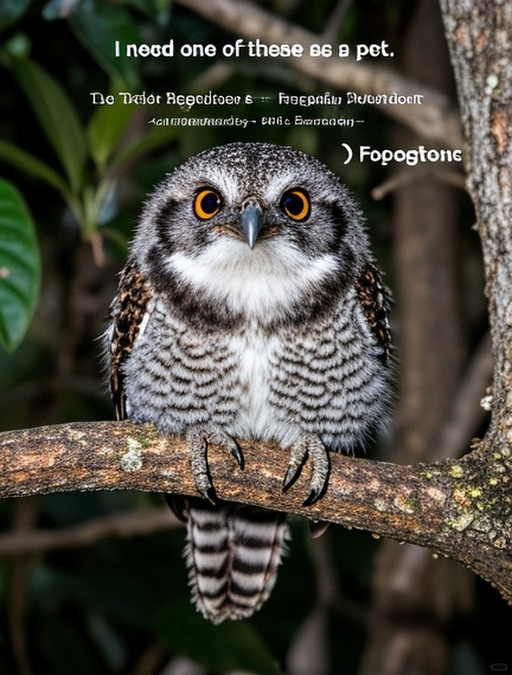
First off, let’s cover the international trade rules that apply no matter where you live, yeah? Most frogmouth species are listed under CITES (Convention on International Trade in Endangered Species of Wild Fauna and Flora) Appendix II, per the International Union for Conservation of Nature (IUCN) 2023 Red List assessment. That means cross-border trade of any frogmouth, whether it’s a live bird, eggs, or even feathers, is strictly regulated. You can’t just buy a frogmouth from a breeder in Thailand and have it shipped to your house in the US or UK, that’s illegal. You need to apply for both an export permit from the country the bird is coming from, and an import permit from your own country, and prove that the bird was captive bred, not poached from the wild. I know someone who tried to sneak a baby frogmouth in their carry-on coming back from a vacation in Bali, and they got hit with a $12,000 fine, plus the bird was confiscated and sent to a rescue. Total nightmare, don’t do that.
Next, you have to check your local, state, and national laws even before you start researching care supplies, no exceptions. For example, in the United States, 28 states require a special exotic pet permit to own a frogmouth as of 2024, per the American Veterinary Medical Association (AVMA) exotic pet regulation database. Another 12 states, including California, Hawaii, and Alaska, plus cities like New York City and San Francisco, ban frogmouth ownership entirely. Why? Because if a frogmouth escapes into the wild, they could outcompete native bird species for food and nesting spots, becoming an invasive pest. Over in the EU, you need a CITES import permit plus a national exotic animal keepers license in all member states, per the EU Wildlife Trade Regulations 2023 update. Don’t just trust a random breeder on Instagram who says “you don’t need a permit, trust me” — call your local fish and wildlife department directly to confirm the rules in your area. It takes 10 minutes, and saves you a ton of trouble later.
Even if you pass the legal checks and get all your permits, there are mandated minimum care requirements in most regions that count as animal welfare regulations, so if you don’t follow them, animal control can seize your bird and charge you with cruelty. The World Association of Zoos and Aquariums (WAZA) has published official captive frogmouth care guidelines that most local governments have adopted as the legal minimum standard. First, your enclosure has to be at least 8 feet tall, 6 feet wide, and 6 feet deep for a single adult frogmouth. If you have two, you need to add 40% more space minimum. Frogmouths spend almost all their time perching high up, so the enclosure needs multiple natural branches of varying thickness (no smooth plastic perches, they hurt their feet) placed at different heights. You also have to keep the enclosure humidity between 60% and 80% year round, and temperature between 70 and 85 degrees Fahrenheit, no sudden drops. I’ve seen people try to keep frogmouths in small parrot cages on their kitchen counter, and that’s a straight up animal cruelty charge in 32 US states, just so you know.
Feeding regulations are another big one that a lot of new owners miss. Frogmouths are obligate insectivores, which means they can only eat insect and small invertebrate prey, plus occasional tiny rodents for extra protein. But you can’t just feed them bugs you catch in your backyard, that’s actually against the rules in a lot of areas. The Association of Avian Veterinarians (AAV) guidelines, which are used for welfare checks by most animal control agencies, state that all frogmouth food has to be sourced from licensed exotic pet food suppliers, to avoid exposure to pesticides, parasites, and toxic chemicals that wild bugs often carry. You have to offer a varied diet: crickets, mealworms, waxworms, silkworms, and once a week a small pinkie mouse, all dusted with calcium supplement to prevent metabolic bone disease, which is super common in captive frogmouths that get fed an unbalanced diet. Most regions also require that you take your frogmouth to a vet that specializes in exotic avian care at least once a year for a checkup. Frogmouths are really good at hiding signs of illness, so by the time you notice they’re sick, it’s almost always too late. The yearly checkup rule is there to make sure you’re catching health issues early.
Breeding and resale rules are another huge part of frogmouth ownership regulations that almost no casual owner knows about. You can’t just breed your two frogmouths and sell the babies on Facebook Marketplace, that’s illegal almost everywhere. If you want to breed frogmouths, you need to apply for a separate exotic animal breeding license from your local wildlife authority, and you have to register every single chick with them within 7 days of hatching. You also can only sell or rehome a frogmouth to someone who can prove they have all the required permits to own one. I know a hobby breeder in Florida who got 6 months probation and a $5,000 fine a couple years ago for selling a baby frogmouth to a 19 year old who didn’t have the required exotic pet permit. It’s not worth the risk. Also, you are never allowed to release a pet frogmouth into the wild, no matter what. Even if you can’t take care of it anymore, even if you think it’ll “be happier outside”, releasing an exotic bird into the wild is a criminal offense in all of North America, Europe, and most of Asia. If you can’t keep your frogmouth anymore, you have to surrender it to a licensed exotic animal rescue, a zoo, or a wildlife rehabilitation center that’s qualified to care for them.
I know a lot of people think these regulations are just annoying red tape, but they’re actually there for two really important reasons: to protect the frogmouths, and to protect local ecosystems. Frogmouths are not like parakeets or cockatiels that have been bred in captivity for hundreds of years. Most captive frogmouths are only 2 or 3 generations removed from wild populations, so they still have all the same care needs as their wild relatives. Most people who buy them on a whim have no idea how much work they are, so the regulations weed out people who aren’t serious about caring for them properly. The rules around trade and release also stop people from poaching wild frogmouths to sell as pets, which has already caused population declines in some parts of Southeast Asia, per IUCN data.
If you’re still 100% set on getting a pet frogmouth after learning all these rules, here’s the step by step to stay compliant: First, call your local fish and wildlife department to get a full list of permit requirements in your area. Most places require you to take a 4 to 6 hour certified exotic avian care course before you can apply for a permit, so do that first. Then, only work with a licensed, CITES-compliant breeder who can provide full paperwork proving the bird was captive bred, not wild caught. Ask to see the parent birds’ health records, and make sure the chick is at least 12 weeks old and fully weaned before you bring it home. Don’t cut corners, don’t skip permits, and don’t lie about owning a frogmouth to your local authorities. It’s not worth risking a fine, criminal record, or hurting the bird you want to care for.