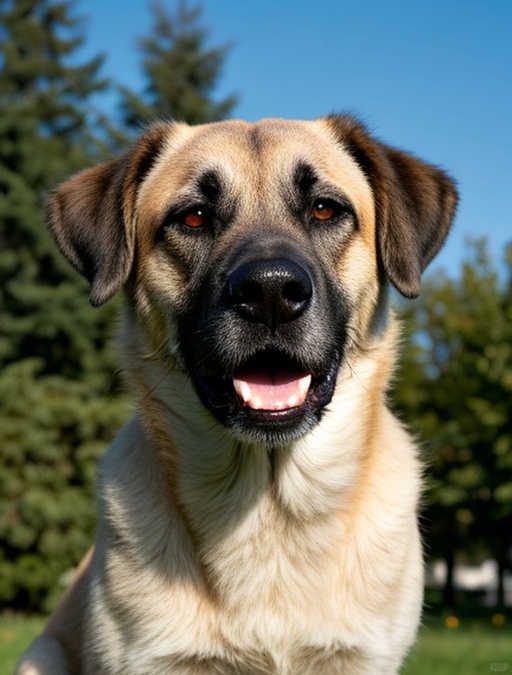
First off, you gotta understand what makes your Anatolian tick before you even pick up a treat bag. These dogs weren’t bred to follow orders from a handler all day—they were left alone to make life or death decisions about protecting their flock, so “stubbornness” that most owners complain about is actually just their built-in instinct to judge for themselves if a command makes sense. Don’t go into training expecting them to do something just because you said so, that’s a recipe for frustration on both sides. You need to show them why following your lead is worth their time, not just demand it.
Early socialization is non-negotiable for this breed, no exceptions. The critical window is between 8 and 16 weeks old, and what you do in those weeks will set the tone for their entire adult life. You need to expose them to as many new, safe experiences as possible: different ages of people, kids running, cats, other dogs, loud cars, delivery people knocking on the door, vet offices, sidewalks with lots of foot traffic. If you skip this step, their natural territorial instinct can turn into overprotective behavior that’s really hard to fix later. You’d be suprised how fast they pick up on patterns when there’s a tasty reward on the line—give them a treat every time they react calmly to a new person or sound, and they’ll learn that new stuff equals good things, not threats.
Positive reinforcement is the only training method that actually works for Anatolians, full stop. Harsh punishment, yelling, or hitting will do one of two things: either they’ll shut down completely and refuse to learn anything, or they’ll get defensive and start showing aggressive behavior because they don’t trust you. These dogs are way more sensitive than their tough, rugged exterior makes them look. Stick to high-value rewards that they don’t get any other time—think cooked chicken, cheese, their favorite tug toy, or really enthusiastic praise that sounds genuine, they can tell if you’re faking it. Keep training sessions short too, 5 to 10 minutes max, a few times a day. They get bored really fast with repetitive drills, so keep it fun and switch up what you’re practicing so they don’t check out.
One of the most common behavioral issues Anatolian owners deal with is excessive territorial barking. It’s in their DNA to bark to warn off potential threats, but you don’t want them barking nonstop at every squirrel, neighbor walking by, or leaf blowing across the yard. The easiest way to fix this is to teach them the “quiet” command. Wait for them to pause mid-bark, say “quiet” in a calm, firm voice, and give them a treat immediately. Over time, they’ll learn that stopping barking when you say so gets them a reward. You can also cut down on unnecessary barking by giving them a clear “job” to do around the house—these dogs hate being bored, so even something as simple as carrying a small backpack on walks or letting them “guard” the front porch while you’re gardening gives them a sense of purpose that cuts down on anxious, bored barking.
Leash pulling is another huge headache, especially since adult Anatolians can weigh 150 pounds or more—if they decide to pull after something, you’re gonna be the one getting dragged down the street. Ditch the neck collar entirely, use a front-clip harness instead, it makes pulling way less comfortable for them and way easier for you to control them. Teach loose leash walking by stopping completely every time they pull on the leash. Don’t move forward until they slacken the leash and look at you, then give them a treat and keep walking. It might take a few weeks of consistent practice, but eventually they’ll learn that pulling means the fun walk stops, and walking next to you means treats and getting to go where they want.
Their independent streak also means recall (coming when called) is often the hardest command for them to master. If they’re focused on something they think is a threat, or even just chasing a rabbit, they might ignore your calls completely if you haven’t practiced enough. Start practicing recall in a fully fenced, distraction-free area first, use the highest value treat you have, something they only get when they come when called. Don’t ever, ever yell at them or punish them when they come to you, even if they took 10 minutes to respond. If you get mad at them for finally coming, they’ll learn that coming to you equals getting in trouble, and they’ll never do it again. You can even make it a game: call them, then run the other way so they think it’s a fun chase, not a boring command. Once they’re consistent at home, slowly add more distractions, like practicing at a quiet park before moving to busier areas.
Consistency across your whole household is just as important as the training itself. Everyone in your house has to use the exact same commands, and follow the exact same rules. If one person lets them jump up for hugs and another yells at them for jumping, they’re gonna get confused and just do whatever they want. Set clear boundaries early too—don’t let them do things as a 10 pound puppy that you don’t want a 150 pound adult doing. Jumping on people is cute when they’re tiny, but it can knock over a kid or elderly person when they’re fully grown, so nip that in the bud right away.
Last thing to remember: training your Anatolian Shepherd is a lifelong process, not just something you do for the first year of their life. These dogs are super smart, and they love learning new tasks as long as it’s fun for them. Keep practicing old commands and teaching them new ones regularly to keep their brain stimulated, that also cuts down on destructive behavior like chewing up your couch or digging giant holes in your yard. If you’re really stuck, don’t waste your time with a general dog trainer who only works with golden retrievers and poodles. Look for a trainer who has specific experience with livestock guardian breeds—they’ll get your Anatolian’s independent nature and know how to work with it instead of trying to break it.