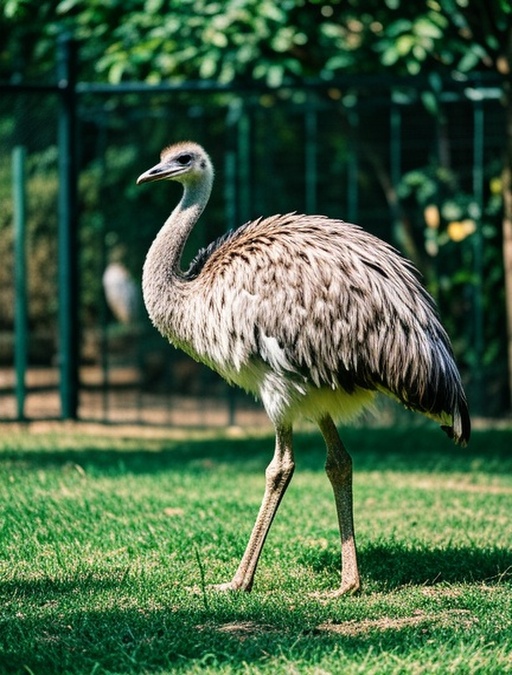
If you're the proud owner of a rhea, or thinking of bringing one home soon, you probably already know these long-legged weirdos are nothing like your average cat or dog. I've worked with ratites (that's the family rheas, ostriches and emus belong to) for over 12 years now, and I can't tell you how many new owners show up panicking because their rhea got sick from something totally preventable. You don't need a fancy vet degree to keep your rhea in good shape, you just need to know what their specific needs are, and stick to a simple routine.
First off, the number one thing that impacts rhea health more than anything else is their diet, hands down. A ton of new owners make the mistake of feeding them just regular chicken feed or table scraps, and that's a surefire way to mess up their digestive system and lead to long-term nutrient deficiencies. Wild rheas eat a mix of leafy greens, seeds, bugs, small lizards, and even small pebbles to help grind up food in their gizzard. For captive rheas, you wanna start with a commercial ratite pellet as their base food, it's formulated with all the right vitamins and minerals they need, like calcium, phosphorus, and vitamin E that you just can't get from regular poultry feed. Then add in lots of dark leafy greens (kale, collards, dandelion greens are their absolute faves), small amounts of low-sugar fruit like apples or melon, and even a handful of mealworms or crickets a couple times a week as a treat. Oh, and don't forget to leave out a small bowl of poultry grit for them too, they need that to digest food properly, without it they can get impacted crop which is super painful and even fatal if not treated fast. One mistake I see all the time: owners giving them too much high-calorie food, which leads to obesity, that's one of the top causes of joint issues in captive rheas. Rheas love to eat, so you gotta portion their food properly, adult rheas only need about 2 to 3 pounds of total food a day depending on their size, don't leave food out 24/7, that's just asking for them to overeat. And never feed them bread, processed snacks, or anything with lots of sugar or salt, that'll wreck their kidneys real fast.
Next up, habitat and hygiene, that's another huge part of keeping your rhea from getting sick from dirty living conditions. Rheas are super active, they need lots of space to run around, at least half an acre per pair minimum, if you keep them cooped up in a small pen, they get stressed out, which suppresses their immune system, and they're way more likely to get sick. The pen needs to have a dry, covered shelter part too, so they can get out of the rain, snow, or super hot sun, they can get heat stroke real easy if they're stuck in direct sun for hours with no shade. Also, you gotta clean their pen at least once a week, pick up all the poop, old food, and wet bedding, mold and bacteria grows super fast in warm, damp environments, which can lead to respiratory infections and foot rot, that's a super common painful condition in rheas. Foot rot happens when they're standing on wet, dirty ground for too long, their feet get infected, and if you don't catch it early, it can even lead to amputation. Also, make sure their water bowl is cleaned and refilled with fresh, clean water every single day, rheas drink a lot of water especially in hot weather, and dirty water is the number one cause of bacterial infections like E. coli and salmonella in them.
Regular at home health checks are something you should be doing at least once a week, so you can catch any issues early before they get really bad. First, just observe their behavior first, if they normally run up to you when you come to the pen, are active, eating normally, that's a good sign. If they're hiding, not eating, sitting down a lot, or limping, that's a red flag you need to check them out closer. When you do a physical check, first look at their eyes, they should be bright and clear, no discharge or crust around the corners. Their feathers should be smooth and glossy, no bare patches, which can be a sign of parasites or stress. Check their feet, make sure there's no cuts, swelling, or discoloration, or any bad smell, which would be foot rot. Check their poop too, normal rhea poop is a mix of solid brown with a little white urate part, if it's runny, discolored, or has blood in it, that's a sign of digestive issues or parasites. Also, weigh them once a month, sudden weight loss or gain is one of the first signs something's wrong before you even see other symptoms. You should also get a vet that specializes in ratites or exotic birds do a full check up once a year, even if they seem totally healthy, they can catch parasites or vitamin deficiencies early that you can't spot at home. Just make sure the vet you pick has actual experience with rheas though, a lot of regular small animal vets don't know anything about ratite health, so you don't want them guessing when your rhea is sick.
Baby rheas (called chicks) have even more specific health needs than adults, so if you're raising chicks, you need to pay extra close attention to them. For the first 8 weeks of their life, they need to be kept in a brooder, at a temperature between 90 and 95 degrees Fahrenheit the first week, then drop the temperature 5 degrees every week after that until they're fully feathered. They're not like chicken chicks, they need way more space to move around, and they can't be kept on slippery surfaces like newspaper, because that can cause leg deformities as they grow. Feed them a starter ratite feed with extra protein, 20 to 22% protein is ideal, and give them access to small grit right away, they start eating solid food just a couple days after hatching. Chicks are way more susceptible to bacterial infections, so you need to keep their brooder super clean, change the bedding every day, and make sure their water is always fresh and clean. Weigh them every week to make sure they're gaining weight consistently, if they're not gaining weight, that's a sign something's wrong, take them to the vet right away.
There's a few common health issues you should watch out for, so you know what to look for before it gets bad. First, parasites, both internal and external, are super common in rheas. External parasites like mites and lice will make them itch, lose feathers, and can even lead to anemia if left untreated. You can prevent that by dusting them with poultry dust made for ratites every 3 months, and keeping their pen clean. Internal parasites like worms are also common, especially if they're eating grass that's been contaminated by other wild birds, so you should deworm them every 6 months, or get a fecal test done at the vet to make sure you're using the right dewormer. Another common issue is bumblefoot, which we talked about earlier, that's from dirty, wet ground, so keeping their pen dry and clean is the best way to prevent it, if you catch it early, you can treat it with antibiotic ointment and keeping the foot clean, but if it's bad, you need to take them to the vet for oral antibiotics. Respiratory infections are also common, especially in cold, damp weather, symptoms are sneezing, discharge from the nose or eyes, lethargy, not eating. Those need to take them to the vet immediately for antibiotics, because respiratory infections can kill a rhea in just a couple days if left untreated. Also, metabolic bone disease is another super common issue, especially in baby rheas, that's from not getting enough calcium or vitamin D in their diet, or not getting enough sunlight. Symptoms are limping, soft bones, deformed legs, you can prevent it by feeding them the right ratite feed, giving them access to sunlight every day, and adding a calcium supplement to their food if your vet recommends it.
It's also good to know basic emergency care tips, just in case something happens out of the blue. First, if your rhea gets injured, like a cut or a broken leg, don't panic. First, wrap them in a big thick towel to hold them still, rheas are super strong, they can kick you really hard if they're scared, so you need to keep their legs secured so they don't hurt themselves worse or you. If it's a small cut, clean it with hydrogen peroxide, put antibiotic ointment on it, wrap it with a clean bandage, keep an eye on it for signs of infection. If it's a deep cut, or a broken bone, get them to the vet immediately, don't try to set a broken bone yourself, you can make it way worse. If they eat something toxic, like a poisonous plant or lawn chemicals, call your vet right away, don't try to make them throw up, that can be super dangerous for them, their digestive system is different from mammals, so inducing vomiting can cause more damage. Also, if they have heat stroke, which happens when it's super hot out and they don't have shade or water, symptoms are heavy panting, lethargy, falling over, you need to move them to a cool, shaded area immediately, pour cool (not cold) water over their legs and body, give them cool water to drink, and call your vet right away, heat stroke can kill them in less than an hour if you don't act fast.
One last thing a lot of owners forget about, is rhea mental health, which directly impacts their physical health too. Rheas are super social birds, they get really depressed if they're kept alone, which leads to them not eating, pulling out their feathers, and getting sick way more often. So you should always keep at least two rheas together, they need friends to hang out with. Also, give them things to do, like hide treats around the pen, give them large toys to peck at, they're super curious, they love exploring new things, so changing up their environment every once in a while, adding new logs or rocks to their pen, will keep them entertained and less stressed. Stressed rheas have weaker immune systems, so keeping them happy is just as important as feeding them right and keeping their pen clean.