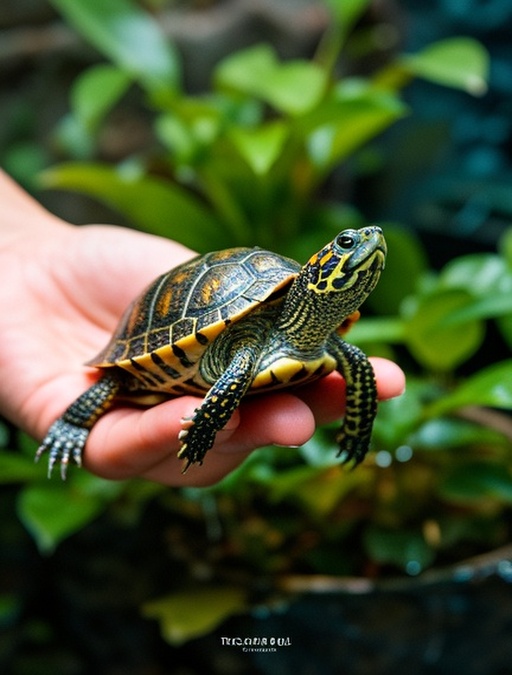
First off, let’s get one thing straight—Tricarinate Hill Turtles are semi-terrestrial, not fully aquatic like a lot of people assume. A ton of new keepers throw them in a deep tank full of water and wonder why they get respiratory infections or shell rot within a couple weeks. Their natural habitat is moist forest floors near shallow, slow moving streams, so their enclosure needs a 70/30 split of land to water, max water depth is only 2x the height of their shell, okay? If you got their enclosure wrong already, fix that first, that’s the root of 60% of their health problems. Oh and don’t use gravel or small pebbles on the land area, they’ll accidentally eat it while hunting for food and get digestive impaction, that’s a super common emergency we see at reptile clinics every month.
Let’s talk about the most common health issue you’ll run into: shell rot. You’ll spot it as weird soft spots, discolored (usually dark brown or bright red) patches on their upper or lower shell, or a funky musty smell coming off them even right after you clean their enclosure. Most of the time it happens because their enclosure is too damp but not well ventilated, or they’re sitting in dirty, unwashed water all day. To fix minor shell rot, you can gently scrub the affected area with a soft toothbrush and diluted betadine (mix it with water till it’s the color of weak iced tea) 2 times a day, then dry them off completely for 30 minutes before putting them back in their enclosure. If it doesn’t clear up in 3 days, go to a reptile vet immediately, don’t wait till it eats through the shell to the bone, that’s life threatening. Oh pro tip: don’t use hydrogen peroxide on their shell, it kills healthy tissue too, that’s a mistake so many new keepers make.
Second super common issue is respiratory infections (RI). You’ll see them blowing clear bubbles out their nose, tilting their head when they try to swim, gasping for air with their mouth open, or being way less active than usual. RI almost always comes from enclosure temps being too low, or cold drafts hitting their tank constantly. Tricarinate Hill Turtles need a basking spot that stays between 85-90 degrees Fahrenheit, and the cool side of the enclosure should sit between 72-78 degrees, no lower. Humidity needs to be at 70-80% consistently, but again, ventilation is key, you can’t just seal the tank up with plastic wrap to keep humidity high, that’ll cause mold growth and make RI even worse. If you suspect your turtle has RI, don’t try to treat it at home with random fish antibiotics you found online, that’s super dangerous. Reptile RI can turn fatal in less than a week, so get them to a vet that specializes in reptiles asap, they’ll usually need prescription oral antibiotics to clear it up.
Nutrition issues are another big problem we see all the time, honestly. A lot of keepers just feed them cheap generic turtle pellets every single day and wonder why their shell is deformed, or they’re always tired and don’t want to move. Tricarinate Hill Turtles are omnivores, but their diet shifts as they age: it should be 60% protein, 30% veggies, 10% fruit when they’re juveniles under 3 years old, and shifts to 40% protein, 50% veggies, 10% fruit when they’re fully grown adults. Good protein sources are earthworms, gut-loaded crickets, snails, and high-quality aquatic turtle pellets. Mealworms are okay only occasionally, they’re super high in chitin which is hard for them to digest if they eat too many. Veggies they love are dark leafy greens like kale, collard greens, dandelion greens (make sure they’re not sprayed with pesticides!), shredded carrot, and cooked squash. Fruits can be small bits of mango, strawberry, or melon once a week as a treat, don’t give them too much sugar, it messes up their gut. Oh and you *have* to dust their food with calcium powder 3 times a week, and a reptile multivitamin powder once a week, if you skip this they’ll get metabolic bone disease (MBD), which makes their shell soft, their legs weak, and can cause permanent deformities if not caught early. Also don’t feed them processed human food, no bread, no chips, no lunch meat, that stuff wrecks their digestive system so bad. I saw a Tricarinate Hill Turtle last month that had to get emergency surgery because its owner fed it hot dogs every day for a year, y’all, don’t do that.
You should do a quick at-home health check on your turtle once a week, it only takes 5 minutes and can catch issues before they get serious. First, pick them up gently, look at their eyes—they should be clear, no discharge, no puffiness. Puffy, swollen eyes usually mean a vitamin A deficiency, which you can fix by adding more dark orange veggies like carrot and sweet potato to their diet, but if it doesn’t get better in a week, it’s time for a vet trip. Next, look at their nose and mouth, no bubbles, no weird thick discharge, their gums inside the mouth should be a healthy pink color, not pale or grey. Then run your finger gently over their entire shell, no soft spots, no flaking that’s more than normal seasonal shedding. Check their legs and tail, no cuts, no swollen spots, they should pull their limbs in quickly when you touch them, if they’re sluggish to move that’s a clear sign something’s wrong. Also weigh them once a month, keep a little log of their weight. If they lose weight out of nowhere for no reason, that’s a red flag that they might have internal parasites, which is super common if you feed them wild caught bugs or they’re exposed to other reptiles. Parasites can cause diarrhea, weight loss, and even death if left untreated, so your vet can do a simple fecal test to check for that easily.
Enclosure hygiene is non-negotiable if you want to avoid 90% of common health issues. The shallow water dish needs to be changed every single day, because they’ll poop in it, drink from it, and soak in it, all at the same time, gross I know, but that’s just what turtles do. The land substrate (we recommend cypress mulch or coconut coir, it holds humidity well and is safe if they eat a tiny bit by accident) needs to be spot cleaned every day, take out any poo or uneaten food right away, and fully changed out once every 2 weeks. Wipe down the walls of the enclosure with a reptile-safe disinfectant once a month, don’t use regular household bleach or cleaning products, the fumes are toxic to turtles. Oh and make sure their UVB light is replaced every 6 months, even if it still looks like it’s turning on. UVB bulbs stop producing the right UVB rays after 6 months, and without UVB, they can’t absorb calcium from their food, which leads right back to metabolic bone disease. I can’t tell you how many people tell me “but my bulb is still working!” after their turtle gets diagnosed with MBD, yeah it’s producing visible light, but not the invisible UVB they need, mark your calendar to replace it every 6 months, no exceptions.
One last thing a lot of people don’t think about: Tricarinate Hill Turtles are pretty shy, they don’t like being handled a lot. Too much handling stresses them out a ton, and stress lowers their immune system, which makes them way more likely to get sick. Only handle them when you’re doing their weekly health check, or cleaning their enclosure, and don’t let little kids pick them up and drop them, falls are the number one cause of cracked shells, which are super painful and can get infected really fast. If you do have to handle them, support their whole body with your palm, don’t just hold them by the edges of their shell, that’s uncomfortable and stressful for them. And always wash your hands before and after touching them, they can carry salmonella, which can make you sick, just like any other reptile.