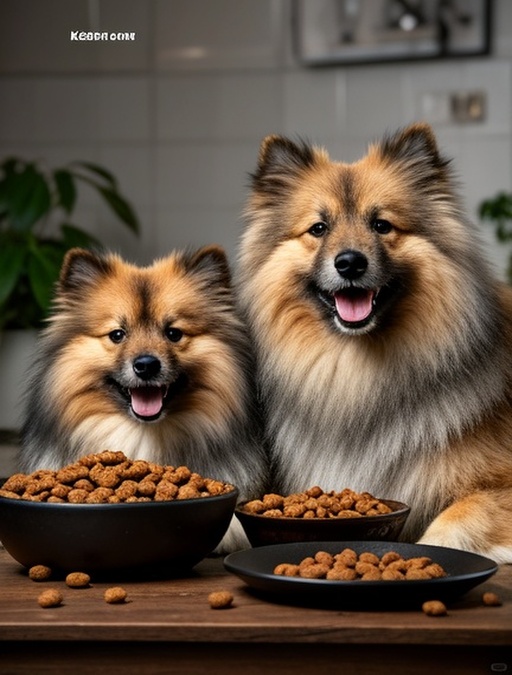
First off, let’s cover portion sizes by age, because what works for a tiny 3-month-old Keeshond puppy definitely won’t work for a lazy 8-year-old senior pup. For puppies under 6 months old, you’ll want to feed them 3 to 4 small meals a day, sticking strictly to high-quality puppy-specific kibble with at least 25% protein. These little guys are growing like weeds and zooming around 24/7, so they need extra calories and nutrients to support their developing bones, muscles, and immune systems. Don’t panic if they skip a meal every now and then, but if they go more than a full day without eating, hit up your vet right away to rule out any health issues. Once they hit 6 months to 1 year old, you can cut back to 2 meals a day, but keep them on puppy food until they’re fully grown around the 12-month mark. A lot of owners switch to adult food too early, which can lead to nutrient gaps as they finish their last growth spurt.
For adult Keeshonds between 1 and 7 years old, 1.5 to 2 cups of high-quality dry kibble split into two meals (one in the morning, one at night) is the sweet spot for most pups. But that’s just a baseline, okay? If your Keeshond comes hiking with you every weekend, plays fetch for hours every day, or works as a therapy dog, you might need to bump that portion up by half a cup or so to match their activity level. If your pup is more of a couch potato that only moves to grab treats and snuggle on the couch, cut the portion back a little to avoid unwanted weight gain. Whatever you do, don’t free feed your Keeshond! These guys are total food hogs, they will eat every last bit of food in the bowl even if they’re already stuffed, and obesity is one of the most common health issues for the breed. Extra weight puts so much strain on their hips and knees, and can lead to diabetes, heart issues, and a shorter lifespan overall. Measuring their food every single time takes 2 extra seconds and saves you a ton of expensive vet bills later, trust me.
Once your Keeshond hits 7 years old, they’re officially a senior, and their dietary needs shift pretty noticeably. They slow down a lot, don’t burn nearly as many calories as they used to, so you’ll want to switch to a senior-specific formula that’s lower in calories but packed with glucosamine and chondroitin to support their aging joints. A lot of senior Keeshonds start developing arthritis as they get older, so those joint support ingredients are non-negotiable. You might also want to add a bit of extra fiber to their diet to keep their gut regular, since their digestion slows down quite a bit as they age. Make sure to check in with your vet once a year for senior checkups, they can help you adjust portions if your pup starts gaining or losing weight unexpectedly.
Now let’s talk about what ingredients to look for (and what to avoid) when you’re picking food for your Keeshond. The first rule is non-negotiable: real, named meat should be the first ingredient on the label. We’re talking chicken, turkey, salmon, lamb, venison, not “meat by-products” or “poultry meal” as the first entry. Whole grains like brown rice, oats, and barley are great for steady energy if your Keeshond doesn’t have grain allergies; if they do, opt for grain-free carb sources like sweet potato, quinoa, or pumpkin instead. The other non-negotiable ingredient for Keeshonds is omega 3 and 6 fatty acids, okay? Their thick double coat needs those fats to stay soft, shiny, and to cut down on excessive shedding. If you notice your Keeshond’s fur is looking dull, or they’re shedding way more than usual during non-shedding season, they’re probably not getting enough omegas. You can add a spoonful of salmon oil to their food once a day to fix that super fast, it also helps with dry, itchy skin too.
What should you avoid at all costs? First, all the obvious toxic stuff: xylitol, chocolate, grapes, raisins, garlic, onions, you probably already know those. But also skip foods that have corn, soy, or wheat as the main fillers, those don’t have much nutritional value and can trigger allergies in a lot of Keeshonds. Steer clear of artificial preservatives, flavors, and colors too, those can cause stomach upset and even long-term health issues with regular consumption. And I know, I know, those big brown eyes staring up at you while you’re eating dinner are impossible to resist, but try not to slip them too many table scraps. Fatty foods like bacon, pizza crust, and fried chicken can cause pancreatitis in Keeshonds, which is super painful and can be life-threatening if you don’t catch it early. If you really wanna give them a bite of your food, stick to plain cooked veggies or plain lean meat, no sauce, no salt, no butter.
We can’t forget about special seasonal and health considerations for Keeshonds, right? Twice a year, these guys blow their entire undercoat, and you’ll find fur everywhere: on your couch, your clothes, your coffee, even in your fridge if you’re not careful. During shedding season (usually spring and fall), bump up their omega 3 intake even more, that helps loosen the old fur and keep the new fur healthy. You can also add a bit of plain pumpkin to their food during this time, it helps them pass any fur they ingest while grooming themselves, so you don’t have to deal with gross hairballs as much. If your Keeshond has food allergies, which are pretty common in the breed, you might need to try a limited ingredient diet. Common triggers are chicken, beef, dairy, and grain, so start with a food that only has one protein source and one carb source, and work with your vet to narrow down what’s causing the itching, diarrhea, or recurring ear infections.
Last but not least, let’s go over some quick treat and feeding do’s and don’ts. Treats should make up no more than 10% of your Keeshond’s daily calorie intake, okay? Use healthy treats for training and rewards: carrot sticks, blueberries, plain air-popped popcorn (no butter, no salt), freeze-dried liver, or small pieces of plain cooked chicken. Don’t give them cooked bones of any kind, they splinter really easily and can get stuck in their throat or digestive tract, which can require emergency surgery. Raw bones are okay only if you supervise them while they chew, and make sure the bone is big enough that they can’t swallow it whole. Always make sure your Keeshond has access to fresh, clean water 24/7, especially after playtime or walks, they overheat pretty easily because of their super thick coat. If you ever need to switch their food brand or formula, do it gradually over 7 to 10 days: mix 25% new food with 75% old food for the first 2 days, then 50/50 for 2 days, then 75% new 25% old for 2 days, then 100% new. That prevents the stomach upset, diarrhea, and vomiting that happens when you switch food too fast.