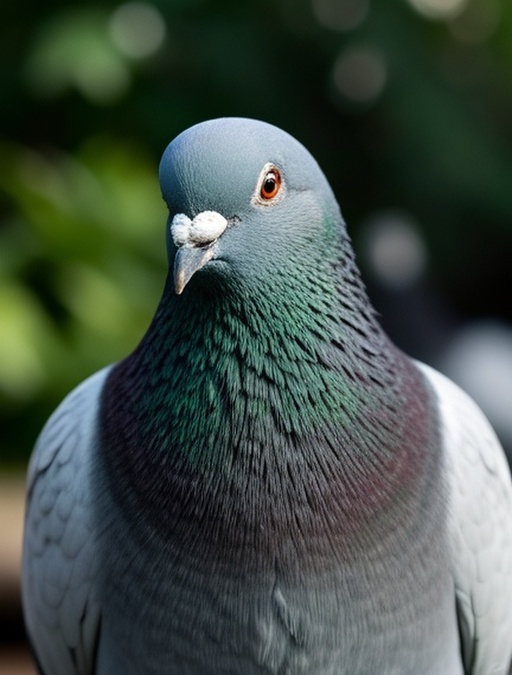
First off, let's start with the easiest thing you can do for your pigeons' health: 5-minute daily check-ins every time you come to feed them. You don't need a vet degree to spot if something's off, trust me. Watch how they greet you: healthy pigeons will be active, waddling over to get their food, cooing, flapping their wings a little. If one of them is huddled in the corner all fluffed up, ignoring food, that's your first red flag. Also get in the habit of checking their poop every few days, I know it sounds gross but it's the fastest way to catch issues early. Normal pigeon poop is solid, mostly greenish-brown with a little white chalky bit on top. If it's runny, bright red, or totally yellow for more than a day, that means something's wrong, could be bad food, parasites, or an infection. Also give them a quick once-over: check their feet for cuts or bumblefoot (that's a sore you get from dirty perches), their beak and eyes for discharge, and their feathers for any bare patches or weird clumps.
Next up, diet is 80% of pigeon health, and let's bust the biggest myth first: bread is garbage for pigeons. I used to feed my first pair nothing but white bread when I was 12, and they were always tired, got sick all the time, till a local pigeon racer told me I was basically feeding them empty calories. A proper pigeon diet should be a good quality commercial pigeon mix first, that has a blend of corn, wheat, peas, sunflower seeds, barley, and other grains. If you want to give them treats, go for small bits of leafy greens, chopped carrots, or even a little cooked rice once a week, no more than 10% of their total diet. Don't forget the grit! Pigeons don't have teeth, so they swallow small bits of grit to grind up food in their gizzard, without it they can't digest their food properly and will get nutrient deficiencies. You can buy cheap pigeon grit at any pet store, just keep a small bowl of it in their loft at all times. And fresh water non-negotiable, change it every single day, even if it looks clean. In the summer, put out two bowls so they don't run out, in the winter check it a couple times a day to make sure it's not frozen. A little pro tip: add 1 teaspoon of unfiltered apple cider vinegar per gallon of water once a week, it helps boost their immune system, kills bad bacteria in their gut, and keeps their poop more regular.
Now let's talk about their home, because a dirty living space is the number one cause of pigeon sickness. Whether you keep them in a big outdoor loft or a smaller indoor cage, you need to clean it at least once a week, no exceptions. Scoop out all the old bedding, wipe down perches, food and water bowls, and replace with fresh, dry bedding (pine shavings work great, avoid cedar because it's toxic to birds). Good ventilation is super important too, you don't want drafts blowing directly on them, but you need enough air flow to get rid of ammonia from their poop and dust that can cause respiratory issues. Make sure they have enough space: each pigeon needs at least 2 square feet of space in the loft, and perches that are wide enough for them to grip comfortably, no thin dowels that hurt their feet. If you keep them caged most of the time, make sure you let them out to fly in a safe enclosed space for at least an hour every day, pigeons are born to fly, not being able to stretch their wings causes stress, which makes them more likely to get sick. Also, disinfect the whole loft every 3 months with a bird-safe disinfectant, don't use regular bleach because the fumes are toxic to them.
Even if you do everything right, your pigeons might get sick sometimes, so you need to know what to look for. The most common issue is respiratory infections, usually caused by drafts, dirty lofts, or cold weather. Symptoms are sneezing, watery eyes, runny nose, labored breathing, or clicking sounds when they breathe. If you see any of these, isolate the sick pigeon right away in a warm, quiet separate cage, so it doesn't spread to the rest of the flock, and take them to an avian vet as soon as you can, they'll give you antibiotics that clear it up in a few days. Next up is mites and lice, these tiny bugs live on their feathers, suck their blood, and make them super itchy. You'll notice them scratching a lot, having bare patches on their feathers, or you might see tiny black or red bugs crawling on their skin when you lift up their wings. If that happens, you can buy bird-safe anti-mite spray or dust from the pet store, treat all your pigeons, and deep clean the entire loft from top to bottom, because mites can live in bedding and perches for weeks. Another common issue is canker, it's a fungal infection that causes yellowish, cheese-like spots in their mouth and throat, they'll have trouble eating and swallowing, and might drool a lot. This is super contagious, so isolate the sick bird right away, your vet will give you anti-fungal meds that fix it in a week or so.
The best way to deal with health issues is to stop them before they start, right? First, get your pigeons vaccinated. The most important vaccine is for paramyxovirus, it's a super contagious virus that spreads fast between pigeons, causes neurological issues like twitching, walking in circles, and can kill them in a few days. Most vets recommend giving this vaccine once a year for all pigeons. Next, deworm your flock every 3 to 6 months, depending on how much they go outside. Pigeons pick up worms from eating dirt or infected poop, so regular deworming stops them from getting intestinal issues that cause weight loss and weakness. If you bring new pigeons into your flock, always quarantine them for 2 full weeks first, keep them in a completely separate space, don't share food bowls or tools between them and your existing birds, to make sure they don't bring any diseases with them. And don't forget to let them bathe! Pigeons love bathing, put out a shallow bowl of lukewarm water 2 to 3 times a week, they'll hop in, splash around, and clean all the dirt and dust out of their feathers. You can even add a tiny bit of bird-safe bath salt to the water to help kill mites and keep their feathers shiny. Oh and one more thing: pay attention to their stress levels. Pigeons get stressed from loud noises, predators hanging around their loft, being bullied by other pigeons, or not having enough food. Stress lowers their immune system a lot, so make sure their space is quiet, safe, and there's enough food and perches for everyone so no one gets pushed out.
At the end of the day, pigeon health care isn't rocket science, it's just small, consistent habits that add up. I've kept pigeons for over 15 years, and the ones that live the longest (some of mine have lived to 15 years old!) are the ones that get daily checks, good food, a clean home, and lots of time to fly. If you ever notice something off that you're not sure about, don't wait to take them to a vet that specializes in birds, catching issues early makes a huge difference. And don't be afraid to ask other local pigeon owners for tips, most of us are super happy to help, we've all made the same mistakes with our first birds!