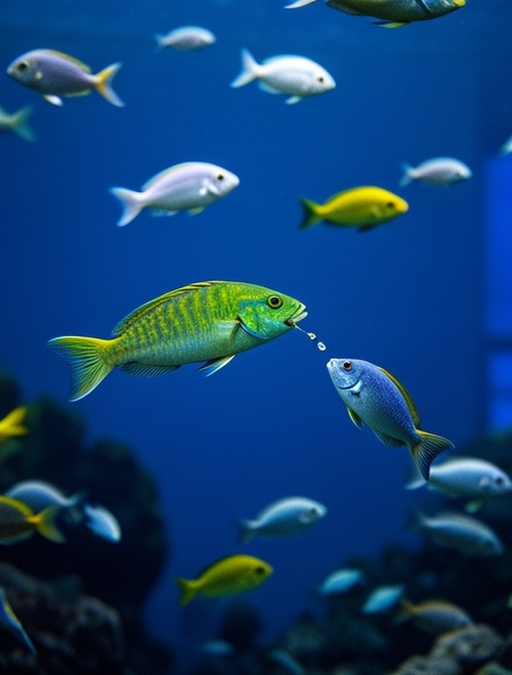
First things first, you gotta know what kind of wrasse you have. It's like, are you feeding a Labrador or a Chihuahua? They're both dogs, but their needs are different. Some wrasses, like the popular Six Line or Mystery Wrasse, are carnivores through and through. They love tiny critters in the live rock. Others, like the Melanurus Wrasse, are like the vacuum cleaners of the tank, hunting for pests. And then you've got the larger ones, like the Bird Wrasse, who need more substantial meals. So, identifying your wrasse is step numero uno.
Now, let's talk about the menu. For most carnivorous wrasses, the foundation is high-quality frozen foods. Think mysis shrimp, brine shrimp (though not too much, it's like junk food), and specially formulated marine pellets or flakes that sink. These guys often feed in the water column or pick at the rocks, so sinking pellets are a great option. You wanna vary their diet, just like you wouldn't want to eat chicken every single day. Rotate between mysis, chopped krill, and maybe some cyclops or rotifers for smaller wrasses. It keeps them interested and healthy.
Here's a pro tip that a lot of beginners miss: many wrasses are natural pest controllers. Species like the Yellow Coris Wrasse or the Leopard Wrasse are famous for hunting flatworms, bristle worms, and even those pesky pyramid snails. If you have a reef tank, introducing one of these wrasses can be a game-changer. But remember, once they've cleaned up the pests, you need to make sure you're still providing enough food. Don't let them go hungry! Supplement their hunting with the frozen and pellet foods we talked about.
Feeding frequency is super important. These are active fish with high metabolisms. I recommend feeding small amounts two to three times a day. It's better to feed a little bit often than to dump a ton of food in once. That just pollutes the water. Watch your wrasse when it eats. If it gobbles everything up in under a minute, you're probably on the right track. If there's food left floating around after a couple minutes, you might be overdoing it. Adjust accordingly.
One thing to be super careful about is feeding wrasses that bury in the sand at night, like the Leopard or Halichoeres wrasses. You need to make sure they get their meals during daylight hours before they tuck themselves in for the night. I've seen folks panic because their wrasse disappeared, only to realize it's just sleeping in the sand! Also, for these sand-divers, sometimes target feeding with a turkey baster near their favorite rock can help ensure they get their share before faster fish steal it all.
Finally, let's talk about boosting color and health. To really make those iridescent blues and yellows shine, include foods enriched with spirulina or other color enhancers. Some folks also offer occasional treats like live blackworms or freshly hatched baby brine shrimp. These mimic their natural prey and provide a great mental and physical stimulation. Just remember, a healthy wrasse in a well-fed tank is a peaceful wrasse. A hungry wrasse might start nipping at other fish or shrimp, so keep that belly full!
In the end, feeding your wrasse is all about observation and variety. Pay attention to its behavior, offer a mixed diet of frozen, pellet, and if possible, natural live foods from your tank's ecosystem. Do that, and you'll have a happy, healthy, and stunningly beautiful wrasse zipping around your aquarium for years to come. Happy feeding!