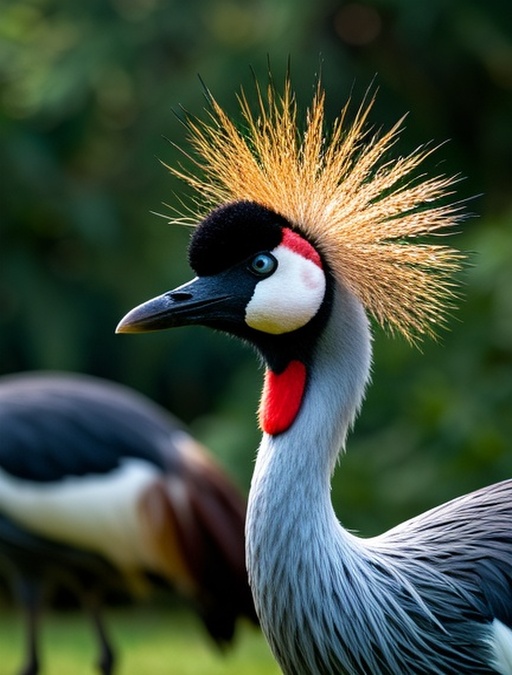
First things first, let's get real: Crowned Cranes aren't your typical backyard buddies. In most places, owning one is super regulated, and for good reason. They're often listed as vulnerable or protected species, thanks to habitat loss and illegal trade. So, before you even dream of that graceful bird strutting around, you gotta check your local and national laws. In the U.S., for example, you might need permits from the U.S. Fish and Wildlife Service under the Endangered Species Act or the Migratory Bird Treaty Act. It's a paperwork jungle out there, but skipping it could mean hefty fines or even losing your feathered friend. Don't wing it—do your homework!
Now, assuming you've jumped through the legal hoops, let's talk space. These cranes need room to roam, like, a lot of it. A small aviary won't cut it; think large, secure outdoor enclosures with plenty of grass for foraging and space to stretch those long legs. They're social birds too, so keeping them alone can make 'em sad and stressed. Ideally, you'd have a pair or more, which means even more space and complexity. Oh, and they're not quiet neighbors—their loud calls can echo for miles, so if you live in a suburban area, your neighbors might not be too thrilled. It's a big commitment, kinda like having a mini-zoo in your backyard!
Care and feeding is another beast. Crowned Cranes are omnivores, munching on insects, seeds, and small critters in the wild. In captivity, you'll need a balanced diet with specialized pellets, veggies, and protein sources. And vet care? Forget your local cat-and-dog clinic; you'll need an exotic avian vet who knows crane stuff, which can be rare and pricey. These birds are prone to diseases like avian influenza, so regular check-ups are a must. Plus, they live for decades—up to 25 years or more—so you're in it for the long haul. It's a lifetime of responsibility, not just a cool hobby.
Lastly, let's touch on ethics. Just 'cause you can own a Crowned Crane doesn't always mean you should. These birds thrive in the wild, and captivity can be tough on 'em if not done right. Many experts argue that they're best left in conservation programs or sanctuaries where they can live more naturally. If you're truly passionate, consider supporting wildlife organizations or volunteering instead. Owning one is a huge deal, and it's worth asking yourself: am I doing this for the bird's sake or just for the bragging rights? Keep it real, folks—their well-being should always come first.