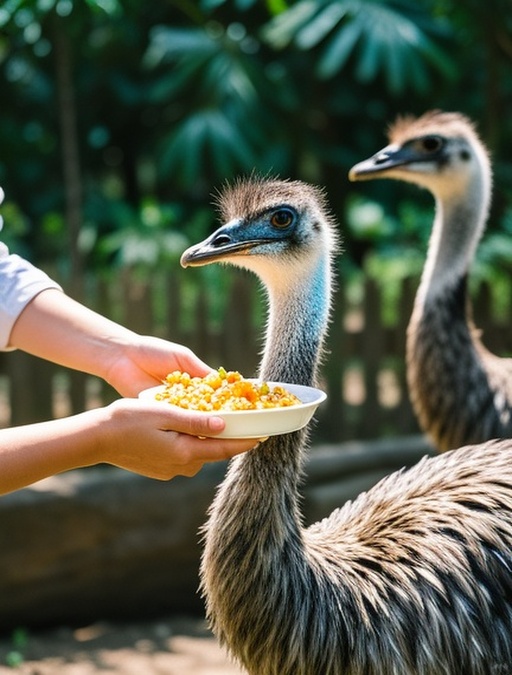
If you’re new to raising rheas, you’re probably already obsessed with these goofy, fluffy flightless birds—they’re like the cooler, smaller cousin of ostriches, right? But a lot of new keepers mess up their feeding routine first, and that can lead to all sorts of health issues down the line, from stunted growth to leg problems to even death in extreme cases. Don’t worry though, I’ve been raising rheas for 7 years now, and these guidelines are the exact ones I use to keep my flock of 12 happy and healthy year round.
Let’s start with the tiniest members of the flock: rhea chicks, 0 to 4 weeks old. These little guys grow SUPER fast, so their diet needs way more protein than adult birds. You’ll want to get a non-medicated game bird starter feed with 20 to 22% protein, that’s non-negotiable. I see so many people try to use regular chicken starter, and that’s way too low in protein, their wings and legs won’t develop right. You can mix in tiny chopped up leafy greens (dandelion greens are their favorite, trust me) and small mealworms 2 times a day as a treat too. One super important thing here: make sure they have access to fine grit 24/7. Birds don’t have teeth, so they need grit to grind up food in their gizzard, no grit means they’ll get impacted crop, which is a nightmare to fix. Also, for the first week, put their feed on a flat paper plate instead of a deep bowl, so they don’t accidentally eat bedding material like wood shavings when they’re pecking around.
Next up, juvenile rheas, 4 weeks to 12 months old. At this point, their growth slows down a little, so you can switch them to a game bird grower feed with 16 to 18% protein. This is also the age where you can let them start foraging in a secure pasture if you have one—they LOVE hunting for bugs, eating weeds, and nibbling on grass, and that cuts your feed cost by like 30% too, bonus. You can supplement their feed with bigger cuts of veggies and fruit now too: chopped carrots, squash, seedless watermelon, blueberries, even ripe bananas are all hits. Just don’t go crazy with the fruit, it’s high in sugar, and juvenile rheas gain weight really fast. Too much weight puts way too much pressure on their long legs, and that can lead to permanent joint damage or even broken legs. I made that mistake once when I first started, gave my juveniles a whole bowl of berries every day for a week, one of them ended up with a limp that never went away. Don’t be like me, keep fruit to 10% or less of their daily diet.
Once your rheas hit 1 year old, they’re officially adults, and their diet changes again. You’ll switch to a low-protein game bird maintenance feed, only 12 to 14% protein. Most of their daily food should come from forage if possible: fresh grass, alfalfa hay, leafy greens, all that good stuff. You can give them small amounts of grains like corn or oats as treats only, like once or twice a week max. If you have breeding pairs, you’ll want to adjust their diet 4 to 6 weeks before breeding season starts. Bump the protein back up to 16 to 18%, and add a separate dish of crushed oyster shells for the females. That extra calcium makes sure their egg shells are strong, so you don’t get a bunch of soft, broken eggs that go to waste.
Now let’s talk about the foods you should NEVER feed your rheas, no exceptions. First off, all the usual toxic bird foods apply here: chocolate, avocado, caffeine, alcohol, anything with xylitol, those will kill a rhea faster than you can get them to the vet. Then you’ve got processed human foods: chips, bread, candy, frozen dinners, all that stuff is loaded with salt, sugar, and preservatives that mess up their digestive system. I saw a newbie keeper last month who fed his rheas nothing but leftover bread for 3 weeks, 2 of them ended up with severe nutrient deficiencies and had to be hospitalized, it cost him over $2000 in vet bills. Raw dried beans are another big no-no, they have a toxin that’s super harmful to rheas, even a small amount can make them really sick. Also, make sure their pasture doesn’t have any poisonous plants growing, like rhubarb leaves, nightshade, or foxglove, rheas will nibble on anything green, so pull those out before you let them roam.
Let’s wrap up with some quick pro tips that will make feeding your rheas way easier. First, always have fresh, clean water available 24/7. Rheas drink a lot more than you think, especially in hot summer weather, they can go through a gallon of water a day per bird. Second, use heavy rubber or metal feeding troughs, not light plastic bowls. Rheas are big, they weigh 50 to 80 pounds when fully grown, they will knock over light bowls every single time, and you’ll waste half your feed on the ground. Third, weigh your birds once a month to make sure they’re at a healthy weight. If they’re gaining too fast, cut back on treats and give them more space to run around. If they’re losing weight for no reason, check their feed for mold, or take them to an exotic vet to get tested for parasites, that’s the most common cause of unexpected weight loss in rheas. Fourth, stick to a consistent feeding schedule, feed them at the same time every morning and evening. Rheas are creatures of habit, they get stressed if their routine is messed up, and stress makes them stop eating, which causes a whole other set of problems.
At the end of the day, feeding rheas isn’t that hard once you get the hang of it, you just have to pay attention to their age and their needs, and don’t cut corners on feed quality. Spend a little extra on good game bird feed, give them lots of space to forage, and avoid the toxic foods we talked about, and you’ll have happy, healthy rheas that live up to 15 years easy. If you have any questions about your specific rhea’s diet, drop a comment below and I’ll help you out!