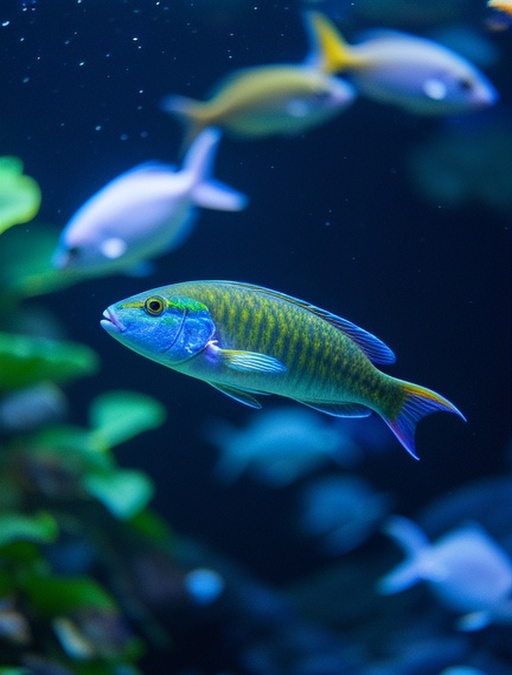
First things first, you gotta understand your wrasse's natural behavior. Wrasses are active, curious fish that love to explore every nook and cranny of your tank. They're always on the move, picking at rocks and sand, which is part of their charm. This natural curiosity is your biggest ally when it comes to training. Start by spending time just watching your wrasse – learn its routine, what it likes to do, and when it's most active. This will help you pick the best times for training sessions, usually when it's hungry and alert, like in the morning or early evening.
Now, let's talk about the magic tool: positive reinforcement. This is all about rewarding good behavior with something your wrasse loves, like a tasty treat. Most wrasses go crazy for small pieces of shrimp, mysis, or even high-quality pellets. The key is to be consistent – every time your wrasse does what you want, give it a treat right away. This helps it make the connection between the action and the reward. Start simple, like teaching it to come to a specific spot in the tank when you tap the glass. It might take a few tries, but once it gets it, you'll see that lightbulb moment!
One of the coolest things you can train a wrasse to do is follow a target. You can use a small stick or even a colored dot on the end of a rod. Hold the target near the water's surface and move it slowly. When your wrasse approaches or touches it, give a treat. Repeat this daily, and soon your wrasse will be following that target all over the tank. This isn't just for fun – it can help with moving your wrasse during tank cleanings or medical checks without stressing it out. Plus, it's a great way to provide mental stimulation, which is super important for these smart fish.
Another fun trick is training your wrasse to swim through hoops or tunnels. You can use aquarium-safe plastic rings or even make your own with PVC pipe. Start by placing the hoop in the tank and using the target to guide your wrasse through. Reward it immediately when it goes through. Gradually, you can raise the hoop or make the path more complex. This kind of training keeps your wrasse engaged and prevents boredom, which can lead to negative behaviors like aggression or hiding. Remember, always keep sessions short, like 5-10 minutes, to avoid frustrating your fish.
Patience is absolutely crucial here. Wrasses can vary in how quickly they learn – some might pick things up in a few days, while others take weeks. Don't get discouraged if progress is slow! Avoid punishing your wrasse for mistakes; that just makes it scared and less likely to learn. Instead, focus on small steps and celebrate every little success. If your wrasse seems stressed or ignores you, take a break and try again later. Consistency is key, so try to train at the same time each day to build a routine.
Beyond tricks, behavioral training can help with common issues. For example, if your wrasse is shy or aggressive, you can use training to build confidence and social skills. Teach it to associate your presence with positive experiences by feeding near you or rewarding calm behavior around other fish. This can reduce stress and make your tank a more peaceful place. Training also strengthens the bond between you and your wrasse, turning it from just a pet into a real companion. You'll be amazed at how responsive and interactive these fish can become!
In conclusion, training your wrasse isn't just a party trick – it's a rewarding journey that benefits both you and your fish. With a bit of understanding, positive reinforcement, and lots of patience, you can unlock a whole new level of interaction. So grab those treats, set up a target, and start exploring the smart side of your wrasse. Happy training, and enjoy watching your underwater buddy shine!